
Last updated October 16, 2026
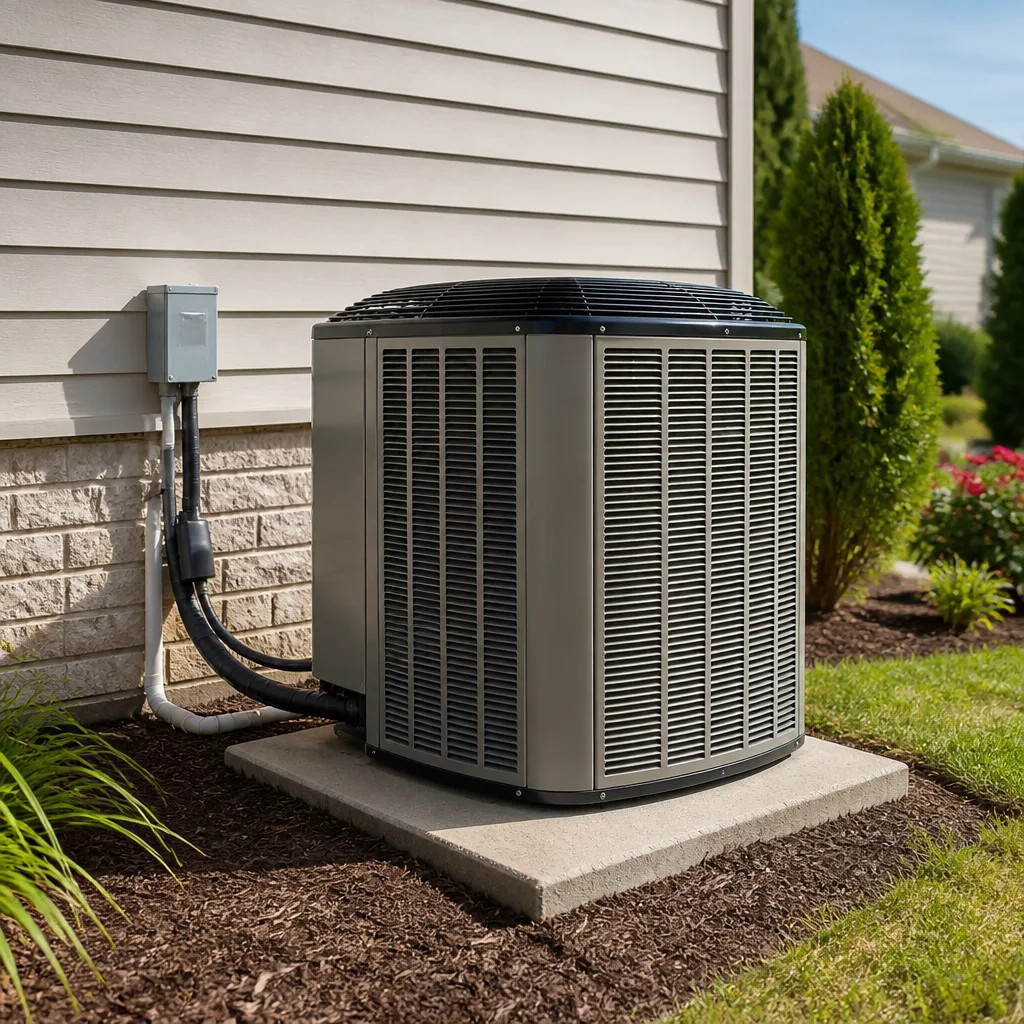 AC repair
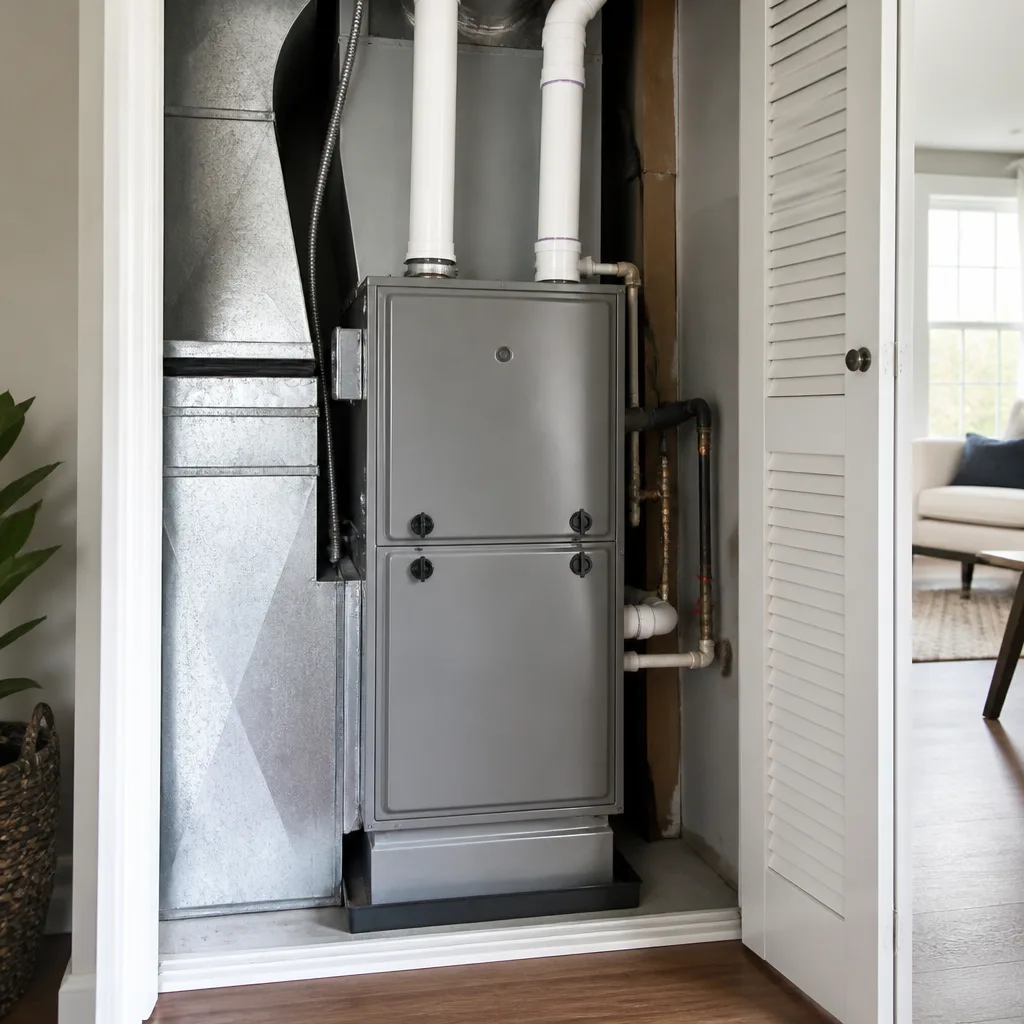 Furnace & heating
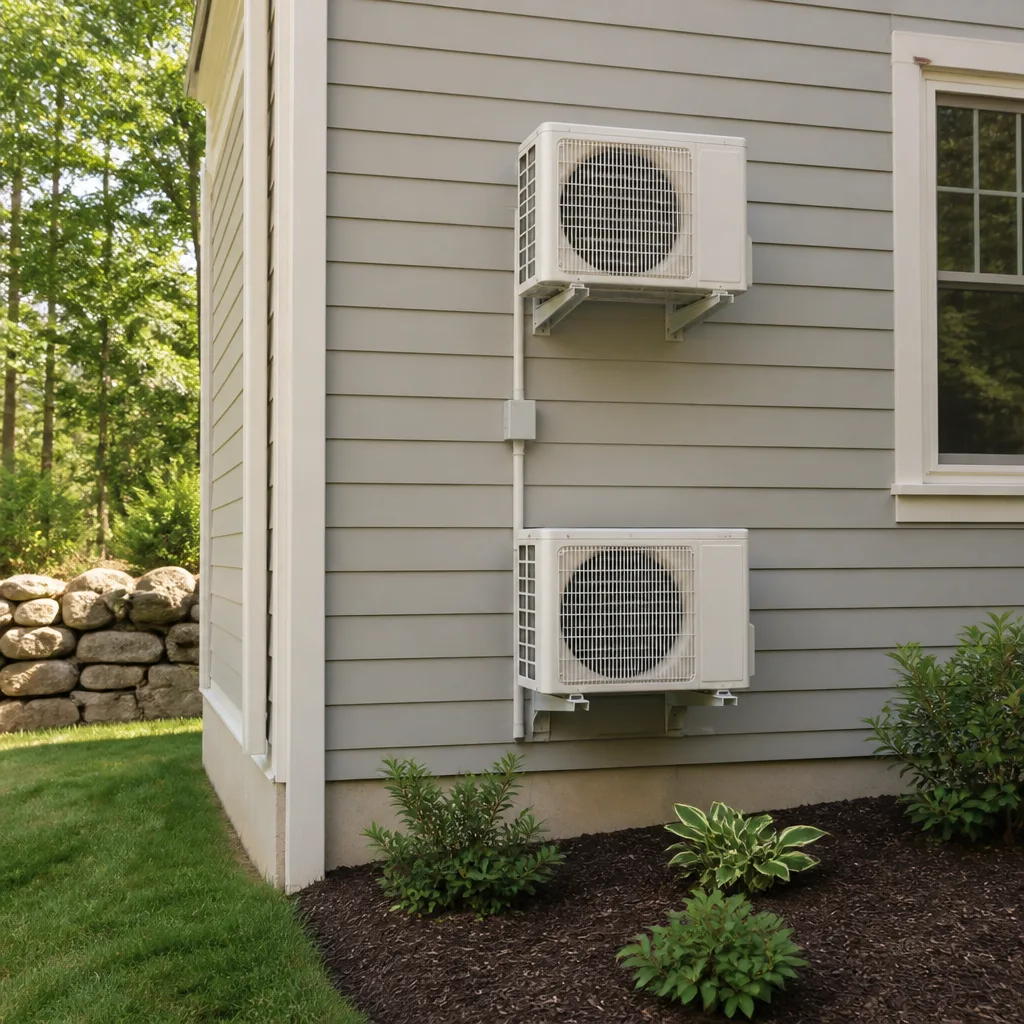 Ductless mini splits
 Trane
TraneSeasonal tune-up and full diagnostic on your Carrier, Trane, or Goodman system - readings shown to you before any repair is proposed
Diagnosis first, numbers second - you approve the repair price before a single part goes in.
Get your free estimateHVAC Warning Signs: A Pasadena Homeowner’s Reference Guide
Here’s a number that should get your attention: roughly 7 of every 10 “no-cooling” calls we run in Pasadena during a July heat wave trace back to a problem the homeowner could have spotted weeks earlier from a sound, a smell, or a number on the thermostat. The reason most warning-sign articles fail you is they list symptoms without telling you what the symptom actually indicates or how urgent it is. A dirty air filter and a refrigerant leak both make your AC run longer, but one is a five-minute fix and the other is a slow, system-killing leak. This guide pairs each symptom with the cause it most likely points to, a severity rating, and the next action, and you can find The Complete Guide to HVAC in Pasadena for broader system knowledge. If you own a home in Pasadena, where summer temperatures routinely push past 95°F and the air carries more humidity than most of the San Gabriel Valley, this is the reference you’ll actually use.
Styles & brands we work with
Quick Answer
The most common HVAC warning signs in Pasadena homes are short-cycling (the system turning on and off every few minutes), warm air from supply registers, musty or burning odors, unusual sounds from the condensing unit or air handler, rising utility bills with no change in usage, and water pooling around the indoor unit. Each symptom maps to a specific cause with a specific urgency level: some require immediate action like a gas leak or electrical burning smell, others can wait a few days like a clogged condensate drain, and a few only need monitoring. The rule of thumb: if you smell gas, leave the house and call SoCalGas from outside. Everything else, triage with the severity table below and call a licensed technician when the rating says same-day or schedule.
Table of Contents
- The Severity Table: How to Triage Any HVAC Symptom
- Sounds That Tell You What’s Failing: A Non-Technician’s Field Guide
- Short-Cycling: What It Means and How to Diagnose It From the Thermostat
- Smells: The Difference Between a Dirty Sock, a Dust Burn-Off, and a Gas Leak
- Leaks: Refrigerant vs. Condensate, and How to Tell Them Apart From the Air Handler
- Why Musty Supply-Register Smells Are More Common in Pasadena Than Inland
- Rising Utility Bills: The Silent Warning Sign Homeowners Miss
- Common Mistakes to Avoid
- When to Call a Professional
- Frequently Asked Questions
- The Bottom Line
The Severity Table: How to Triage Any HVAC Symptom
Most warning-sign articles either panic you over a dirty filter or shrug off a refrigerant leak. Neither response helps. What helps is a triage system: know which symptoms mean leave the house now, which mean call for same-day service, which mean schedule something this week, and which just need you to watch and listen. Here is that table, built from the calls we run across Pasadena, from Bungalow Heaven to Hastings Ranch to Chapman Woods.
| Severity | Symptom | Most Likely Cause | Next Action |
|---|---|---|---|
| Immediate: Leave the building | Sulfur or rotten-egg smell near furnace or vents | Natural gas leak in supply line or fitting | Leave the house. Call SoCalGas from outside. Do not flip switches, use phones inside, or light anything. |
| Immediate: Same-day service | Burning or acrid electrical smell from air handler or condenser | Overheating motor, failing capacitor, or wiring short | Shut the system off at the breaker. Call for same-day diagnosis. |
| Same-day service | Loud grinding, shrieking, or metal-on-metal sound from outdoor unit | Compressor internal failure or blower wheel bearing failure | Turn off the system. Running it makes the repair more expensive. |
| Same-day service | Warm air from supply registers on a 95°F Pasadena day, system running continuously | Refrigerant leak, failed compressor, or failed capacitor | Call for same-day diagnosis. The longer it runs, the more it costs to fix. |
| Schedule within the week | Water pooling around indoor air handler | Clogged condensate drain line or frozen evaporator coil | Schedule service. A wet Pasadena summer makes this worse fast. |
| Schedule within the week | Musty smell from supply registers that does not clear after filter change | Mold or mildew on evaporator coil or in ductwork | Schedule a coil or duct inspection. See the Pasadena-specific section below. |
| Monitor | Slight increase in run time, minor dust buildup around vents | Dirty filter, normal seasonal load | Change the filter. Note the run time. If it worsens, move to schedule. |
One note before we go deeper: a sulfur smell is not an HVAC problem. It is a gas leak. The HVAC contractor can repair the furnace side of that connection, but the first call is SoCalGas, not us. We have walked Pasadena homeowners through this exact sequence more times than we can count, and the correct first step never changes: get outside, make the call from there.
Sounds That Tell You What’s Failing: A Non-Technician’s Field Guide
A split-system AC makes noise. Some of it is normal: a low hum from the outdoor condensing unit, the soft whoosh of air at the return grille, the faint click of the contactor pulling in when the thermostat calls for cooling. Then there are the sounds that mean a component is failing. You can identify most of them from across the yard, which is useful because the condensing unit will be hot and the cabinet should stay closed for a reason.
Scroll Compressor Knock
A scroll compressor sounds like a rhythmic, hollow knock or a dull thump-thump-thump that you can hear standing five feet from the condensing unit. In a Lennox or Goodman split system, this typically means the internal scroll plates are wearing or the compressor is running with liquid refrigerant returning to it. This is not a sound that goes away. Ignoring it turns a compressor replacement quote into a full-system replacement quote. On a Pasadena summer day, this is the difference between a few hundred dollars and several thousand.
Contactor Chatter
This one sounds like a rapid buzzing or a fast clicking from the outdoor unit’s electrical compartment. A contactor is an electromagnetically operated switch; when the coil that pulls it closed starts to fail or the low-voltage signal from the thermostat is weak, the contactor chatters. In our experience, a failing contactor is one of the most common causes of a unit that “comes on sometimes.” The repair is usually under $200 and takes under an hour. The confusing part for homeowners is that chatter sounds expensive. It is not. But it will become expensive if the chattering contactor arcs and burns the terminals.
Blower Wheel Imbalance
This sound lives inside the house: a rhythmic thumping or a low vibration from the furnace cabinet or air handler, usually worse when the blower first starts and then it settles into a steady rumble. A blower wheel collects dust unevenly, especially in Pasadena homes where the windows are open a lot in spring and the system pulls in fine particulate from the foothills. One side of the wheel gets heavier, the shaft wobbles, and the bearing wears. A wheel cleaning or a wheel replacement plus a capacitor test fixes it. Leave it alone and the bearing eventually seizes, which takes the blower motor with it.
Hissing or Gurgling from the Indoor Coil
This one is quieter and higher-pitched, often heard right at the indoor air handler or through the supply registers: a hiss, a gurgle, or a sound like a soda can being opened slowly. That is refrigerant moving through an orifice or a slightly starved evaporator coil. A brief hiss at startup is normal on a Rheem or York system with a thermostatic expansion valve. A continuous hiss with weak cooling is a refrigerant line issue or a failing metering device. This is the point to call a professional: refrigerant work in California requires EPA certification, and a system that runs low on refrigerant also runs hot, which shortens compressor life.
Short-Cycling: What It Means and How to Diagnose It From the Thermostat
Short-cycling is the term for a system that turns on, runs for two to five minutes, shuts off, then starts again a few minutes later. On a hot Pasadena afternoon when your AC should be running for fifteen to twenty minutes at a stretch, short-cycling is a red flag. But the cause matters, and you can often identify it from the thermostat display alone.
Here are the three most likely causes, in order of how often we find them in Pasadena homes:
- Oversized equipment. If your system was installed when the house was remodeled or the ductwork was changed, and the tonnage was not re-calculated, the unit can be too large for the load. It hits the set temperature too fast, shuts off, then the house warms up again, and the cycle repeats. You will see the thermostat temperature hit the set point in under five minutes on a hot day. The fix is rarely simple, but the diagnosis is clear from that fast temperature drop alone.
- Refrigerant overcharge or undercharge. When the refrigerant level is wrong, the system’s high-pressure or low-pressure safety switches can shut the compressor off before the thermostat thinks the cycle is done. On the thermostat display, the temperature will creep up while the system is off, then drop when it comes back on, in a sawtooth pattern. This is a job for a licensed professional: refrigerant levels are set by weight and line-set length, not by guessing.
- Failing capacitor or overheating compressor. A capacitor is a small cylinder that gives the compressor and fan motors the extra voltage they need to start. When it weakens, the compressor may start, overheat, trip its internal thermal limiter, and shut down. On the thermostat, this looks like the system running for a short time, shutting off, then not restarting for a long time while the compressor cools down. A capacitor replacement is one of the least expensive repairs on the bill: most run $150 to $350 including diagnosis.
The thermostat-only diagnostic rule: if the temperature drops fast, suspect oversizing. If it drops slowly and the system shuts off early, suspect refrigerant. If the system shuts off and will not restart for fifteen minutes or more, suspect the capacitor or compressor thermal limiter. A technician can confirm all three in under an hour on site.
Smells: The Difference Between a Dirty Sock, a Dust Burn-Off, and a Gas Leak
Smell is the most reliable warning sign your HVAC system gives you, partly because it does not require you to understand anything about the equipment. You just need to know which smell means what. Here is the field guide, from mild to emergency.
Dust Burn-Off: The First Heating Cycle of the Season
In late October or November, when Pasadena homeowners fire up the furnace for the first time since spring, a faint burning-dust smell from the supply registers is normal. The heat exchanger is burning off the fine layer of dust that settled on it during the cooling season. The smell is acrid but mild, like a hair dryer on a dusty surface. It usually clears within thirty to sixty minutes. If it does not clear, or if you see smoke, shut the system down and call for service.
Dirty Sock Syndrome: The Evaporator Coil Smell
This one is unmistakable once you have smelled it: a musty, sour, dirty-sock odor that comes from the supply registers only when the AC is running. It is caused by microbial growth on the evaporator coil, the cold coil inside the indoor air handler. When the coil cools, it condenses moisture out of the air; that moisture sits on the coil surface, and if the coil is dirty, the result is a biological growth that smells. This is a coil cleaning issue, not a duct cleaning issue. We cover why this is more common in Pasadena than inland in the section below.
Electrical Burning Smell: Same-Day Service
A sharp, acrid smell like hot plastic or ozone from the air handler, the supply registers, or the outdoor unit is an electrical problem: an overheating motor winding, a failing capacitor, or a wire with a loose connection. This smell does not clear on its own. It gets worse. Turn the system off at the breaker and call for same-day service. Do not run the system again until a technician has looked at it. An electrical burning smell is a fire-hazard warning that the system is generating heat where heat does not belong.
Sulfur or Rotten Egg: Not an HVAC Problem
Natural gas is odorless. The utility injects mercaptan into it to give it that sulfur or rotten-egg smell, specifically so you can detect a leak. If you smell it near your furnace, at the gas-fired water heater, or at the supply registers, the correct response is not to schedule a tune-up. The correct response is to leave the house immediately, without turning off lights or unplugging anything, and call SoCalGas from outside. Any spark can ignite a gas leak. This is the one HVAC-adjacent smell where the HVAC contractor is not the first call. Once SoCalGas has cleared the leak, the furnace-side repair is a standard job.
Leaks: Refrigerant vs. Condensate, and How to Tell Them Apart From the Air Handler
Two different leaks, two opposite urgency levels. A condensate leak is water. A refrigerant leak is a colorless gas. The confusion comes from where they show up: both problems often reveal themselves as a problem at the indoor air handler. Here is how to tell them apart using only what you can see and smell.
Condensate Leak: Water on the Floor
When your AC runs, the evaporator coil gets cold, and the water vapor in the air condenses on it. That water drips off the coil, into a drain pan, and out through the condensate drain line. When the drain line clogs with algae, dust, or debris, the water backs up and spills out of the pan, usually pooling on the floor around the air handler. In Pasadena, the city water has a high enough mineral content that scale and sludge build up in drain lines faster than most homeowners expect. You will see a water stain on the floor or the platform, sometimes with a small drip trail. Touch it: it is water, it is room temperature, and it has no strong odor. This is a maintenance-level problem, not an emergency. A technician clears the line, sometimes flushes it with algaecide, and checks the float switch that should have shut the system off before the pan overflowed.
Refrigerant Leak: No Water, Weak Cooling
A refrigerant leak often shows up as a hissing or gurgling sound from the indoor coil, combined with weak cooling. The air from the supply registers will be cool but not cold, maybe fifteen degrees warmer than it should be. The air handler will run longer and the room will not reach the set temperature. In a progressive leak, the evaporator coil may also freeze: you will see ice on the coil or frost on the copper lineset at the outdoor unit. If you see ice, the system is running with a serious refrigerant undercharge. This is a same-day service call. Running the system with low refrigerant makes the compressor run hotter than designed, which reduces its life. The picture to remember: water on the floor means schedule this week. Ice on the coil means call today.
Why Musty Supply-Register Smells Are More Common in Pasadena Than Inland
Pasadena sits closer to the coast and further from the desert than Glendale or the Inland Empire, which means the air carries more moisture. When that moist air hits a cold evaporator coil, more condensate forms. More condensate means more opportunity for microbial growth on the coil surface, especially if the filter has been neglected and the coil is coated in a fine layer of dust and skin cells. The result is the dirty-sock smell from the supply registers that so many Pasadena homeowners report in July and August, when the AC runs hardest and the coil stays wet almost continuously, which is why Seasonal HVAC Care for Pasadena: Year-Round Homeowner’s Guide recommends mid-season coil inspections.
The diagnostic question is whether the smell is coming from the coil or the ducts. Here is the rule:
- Smell from the coil: present when the AC is running, strongest at the air handler itself, and it gets worse as the day heats up and the coil gets colder. The fix is an evaporator coil cleaning with an EPA-registered antimicrobial treatment.
- Smell from the ducts: present even when the system is off, or strongest at specific supply registers but not at the air handler. This is usually dust, pet dander, and sometimes pest debris in the ductwork, and the fix is duct cleaning or duct sanitizing.
In our experience across Pasadena, more than half of these calls are coil issues, not duct issues. A good technician will open the air handler cabinet and check the coil before recommending duct work. Duct cleaning is a bigger job with a bigger bill, and you do not want to pay for it if the coil is the actual problem.
Rising Utility Bills: The Silent Warning Sign Homeowners Miss
A Pasadena Water and Power bill that climbs twenty or thirty percent with no change in usage is a warning sign most homeowners dismiss. The logic goes: it is just a hot summer, the AC runs more. But if the bill is up and the thermostat set point has not moved, something else is happening. Here are the three most common system-level causes, and how to spot each one.
- Refrigerant leak. A low charge makes the system run longer to produce the same cooling, which uses more electricity. The tell is a system that runs continuously on a hot day and still does not quite reach the set temperature. This doubles the electrical cost of an already-expensive Pasadena cooling season.
- Dirty outdoor condenser coil. The outdoor unit needs to reject heat to the outside air. When the coil fins are clogged with Pasadena’s fine dust, cottonwood fluff, and landscaping debris, the system works harder to push heat out. The tell is a condenser unit that runs hot and a system that runs long cycles. A coil cleaning is a maintenance item and usually under 30 minutes.
- Leaking ductwork. In older Pasadena homes, especially those with attic duct runs, the ducts can leak enough cooled air that the system runs twenty to forty percent harder to make up the loss. The tell is warm spots in the house, visible dust trails near the registers, and a main living area that reaches temperature while back bedrooms stay five degrees warmer.
The actionable version: compare your July bill to your May bill, not to last July’s bill. If the set point did not change and usage jumped more than twenty percent, call for a system check. A good technician finds the cause on the first visit. At Dalton Heating & Air Pasadena home, we see utility-bill-driven service calls all summer, and the cause is almost always one of these three.
Common Mistakes to Avoid
- Ignoring a hissing sound because “the AC still works.” A hiss from the indoor coil that does not stop is refrigerant-related. A system that works today and is failing slowly costs more to repair than one diagnosed at the first sound. The compressor is the most expensive single component in the system.
- Calling SoCalGas for a burning-dust smell from the registers. That is a furnace issue, not a gas leak. A dusty heat exchanger smells acrid, not like sulfur. The utility will tell you the same thing, and the call will cost you time.
- Fixing a refrigerant leak by “just topping off the charge.” Adding refrigerant to a leaking system is not a repair. The leak is still there, and California law requires the leak be repaired before the system is recharged in many cases. A contractor who offers a top-off without a leak search is selling you a temporary bandage.
- Replacing the thermostat to fix short-cycling. A thermostat is rarely the cause of rapid cycling. Oversized equipment, a refrigerant issue, or a failing capacitor is far more common. The thermostat is the messenger, and replacing the messenger does not change the message.
- Delaying a condensate drain cleaning because “it is just water.” A clogged drain line in a Pasadena summer can overflow and damage drywall, flooring, and the air handler cabinet. The second-worst outcome is a ceiling stain in the room below an attic air handler.
- Running the system with the condenser coil covered or blocked. If the outdoor unit sits next to a hedge, a fence, or a storage pile, the coil cannot reject heat. The system runs hotter, the compressor works harder, and the life of the unit shortens. Clear two feet of space around the outdoor unit.
When to Call a Professional
The line between what a homeowner can handle and what a professional should handle is clearer than most guides admit. You can change a filter, clear the debris around the condensing unit, check the thermostat batteries, and note which sounds are new. You should call a licensed technician for anything involving refrigerant, anything involving gas, anything involving electrical components, and any time the system is making a sound you cannot explain. The consequences of guessing wrong are too expensive: a misdiagnosed refrigerant leak turns into a compressor replacement, and that is the difference between a $400 repair and a $6,000 system replacement.
If you are in Pasadena and any of the symptoms in this guide match what you are seeing, AC Repair in Pasadena is what we do every day. Dalton Heating & Air Pasadena offers free estimates in Pasadena. Call (626) 657-5344 and a real person answers, 24/7.
Frequently Asked Questions
Most HVAC repairs in Pasadena run from $150 to $450 depending on the part and the system. A capacitor replacement typically falls in the $150 to $350 range including the service call and labor. A contactor replacement is similar. A blower motor or draft inducer replacement typically runs $400 to $800. A compressor replacement, if the system is under warranty on the part, still carries a $800 to $1,500 labor bill. Every repair from Dalton Heating & Air carries a written price before work starts and a written one-year guarantee. Call (626) 657-5344 for an exact quote.
If the system is over 15 years old and the repair bill is over $1,500, replacement is usually the smarter financial move. A repair that costs twenty to thirty percent of a new system on a unit with a limited remaining life only delays the inevitable. The exception is a system under ten years old with a single failed component: repair it, and the unit pays you back in years of service. Heat Pump Installation in Pasadena includes a full load calculation and a written fixed price before any equipment is ordered.
Yes, for repair calls we offer same-day service whenever the schedule allows, and we answer the phone with a live person 24 hours a day. A burning electrical smell or a compressor knock gets prioritized as an emergency. Call (626) 657-5344 in the morning and we can often have a technician on site that afternoon.
A musty smell from the supply registers when the AC runs almost always points to microbial growth on the evaporator coil. The coil condenses moisture out of Pasadena’s humid air, and when the coil is dirty, that moisture feeds a biological film that smells. The fix is a coil cleaning with an antimicrobial treatment, not necessarily duct cleaning. A technician can confirm the source by opening the air handler cabinet and checking the coil surface.
On the first heating cycle of the season, the furnace burns off the dust that settled on the heat exchanger during the cooling months. The smell is mild and acrid, like a dusty hair dryer, and it clears within thirty to sixty minutes. If it does not clear, or if it smells like hot plastic or you see smoke, shut the system down and call for service: that indicates an electrical or mechanical problem, not a normal dust burn-off.
A sulfur or rotten-egg smell from the furnace or supply registers is an emergency. Leave the house immediately and call SoCalGas from outside. Do not turn lights on or off, do not use a phone inside, and do not unplug anything. Once the utility has cleared the leak, the furnace-side repair is a standard job. Furnace Repair in Pasadena covers gas furnaces, igniters, gas valves, and the associated safety checks.
The Bottom Line
The HVAC warning signs in this guide are not a mystery. Short-cycling has three causes. Musty smells have two sources. Water on the floor and ice on the coil are two different problems with two different timelines. The reason most homeowners get burned is not that they missed the warning sign; it is that no one told them what the sign meant or how fast to act. Use the severity table to triage. Use the sound and smell field guides to identify. Use a written-price contractor to fix it. If you are in Pasadena and something on this page matches what you are seeing, call Dalton Heating & Air at (626) 657-5344, and Marco will make sure the right technician shows up inside the window with the price in writing.
Written by Marco Benitez, Owner at Dalton Heating & Air Pasadena, serving Pasadena since 2003.
See the difference
 Before
 After
After Before
 After
After Before
 After
After