
Last updated October 16, 2026
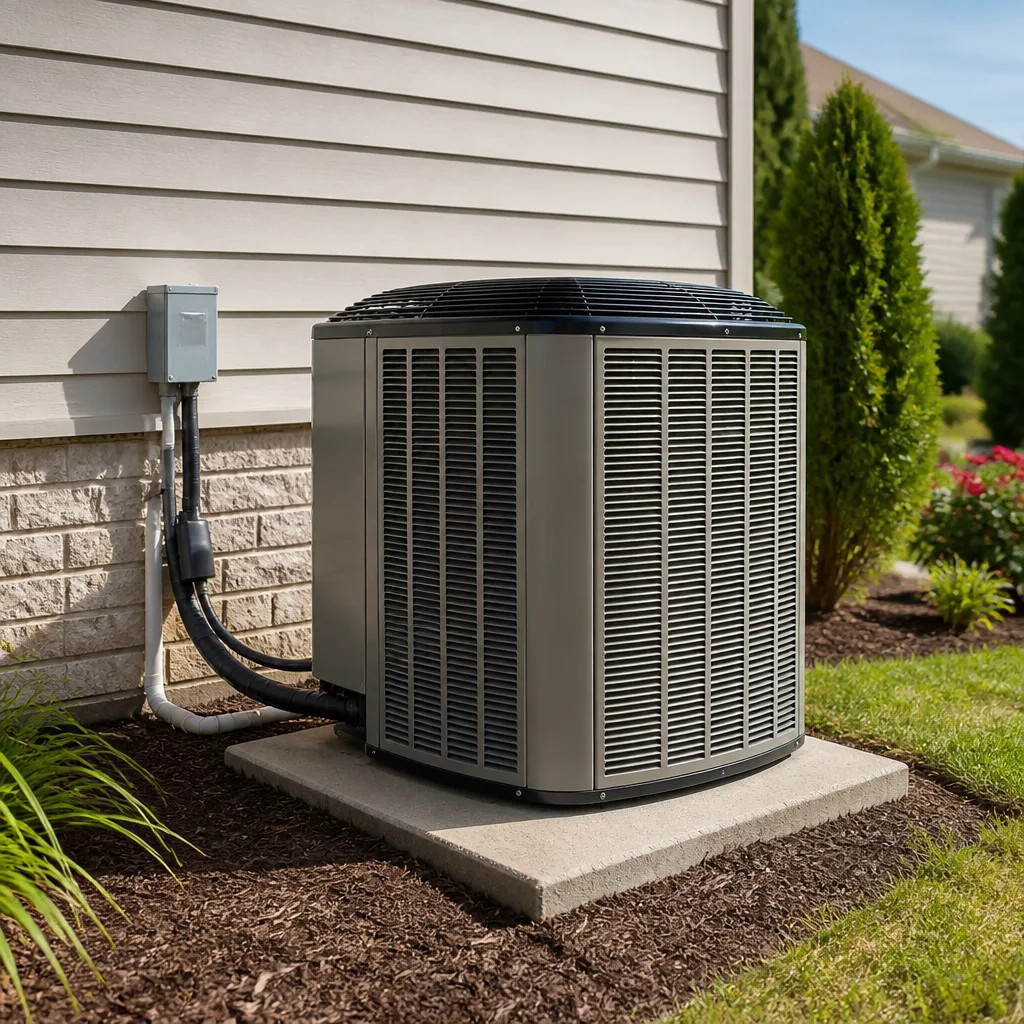 AC repair
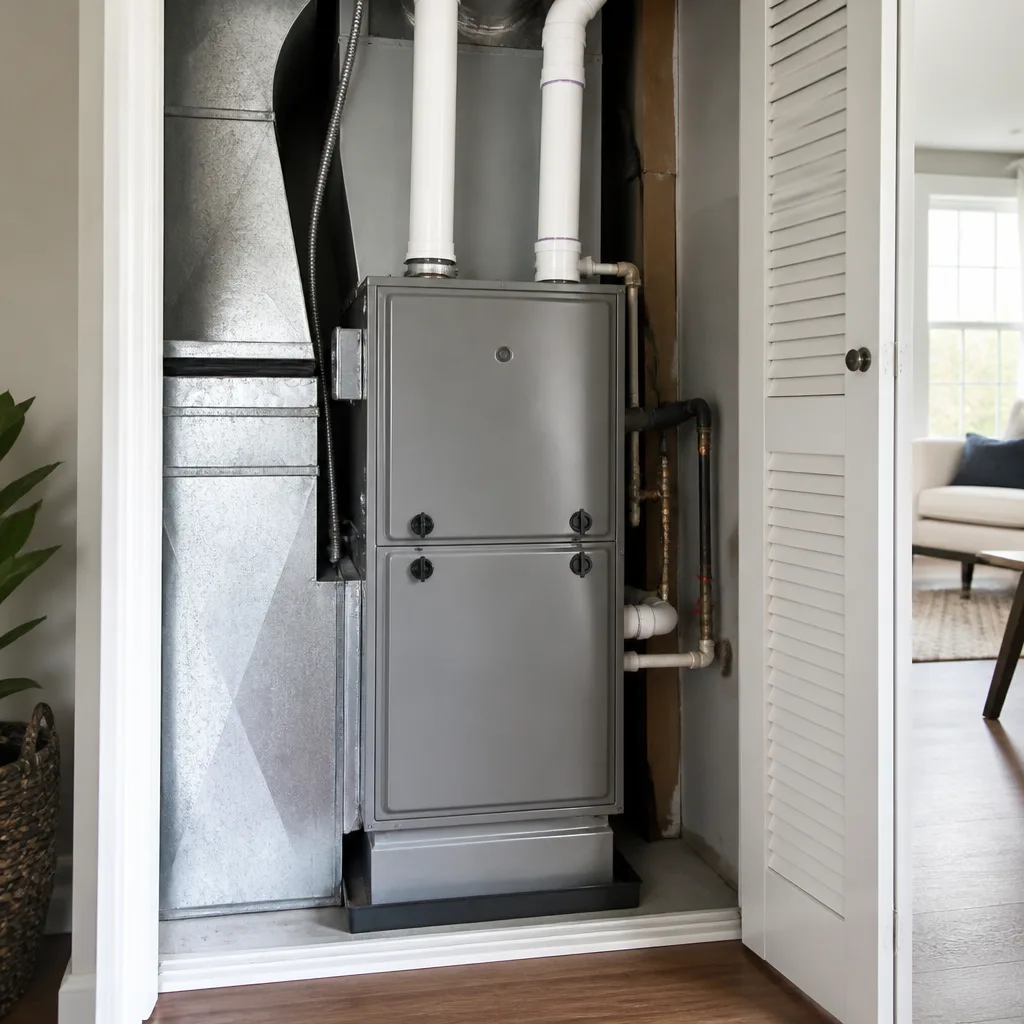 Furnace & heating
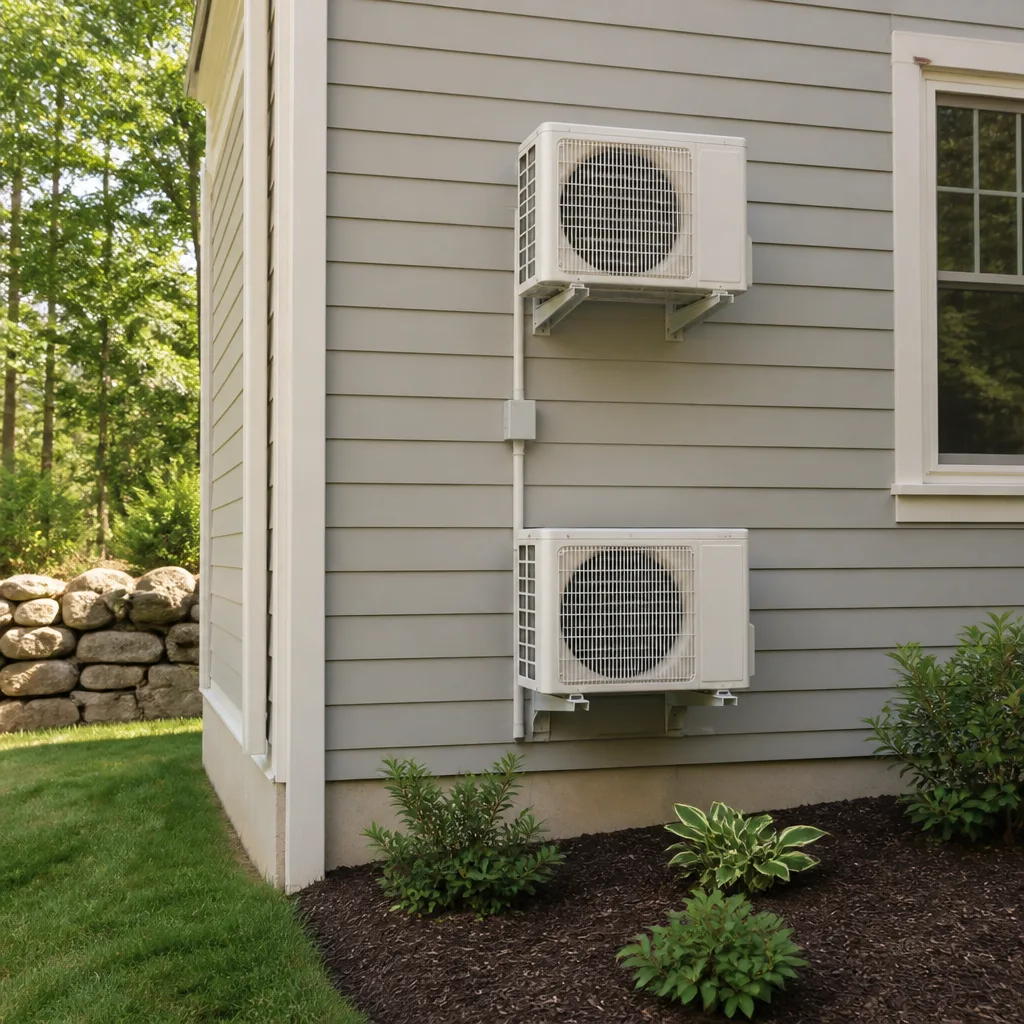 Ductless mini splits
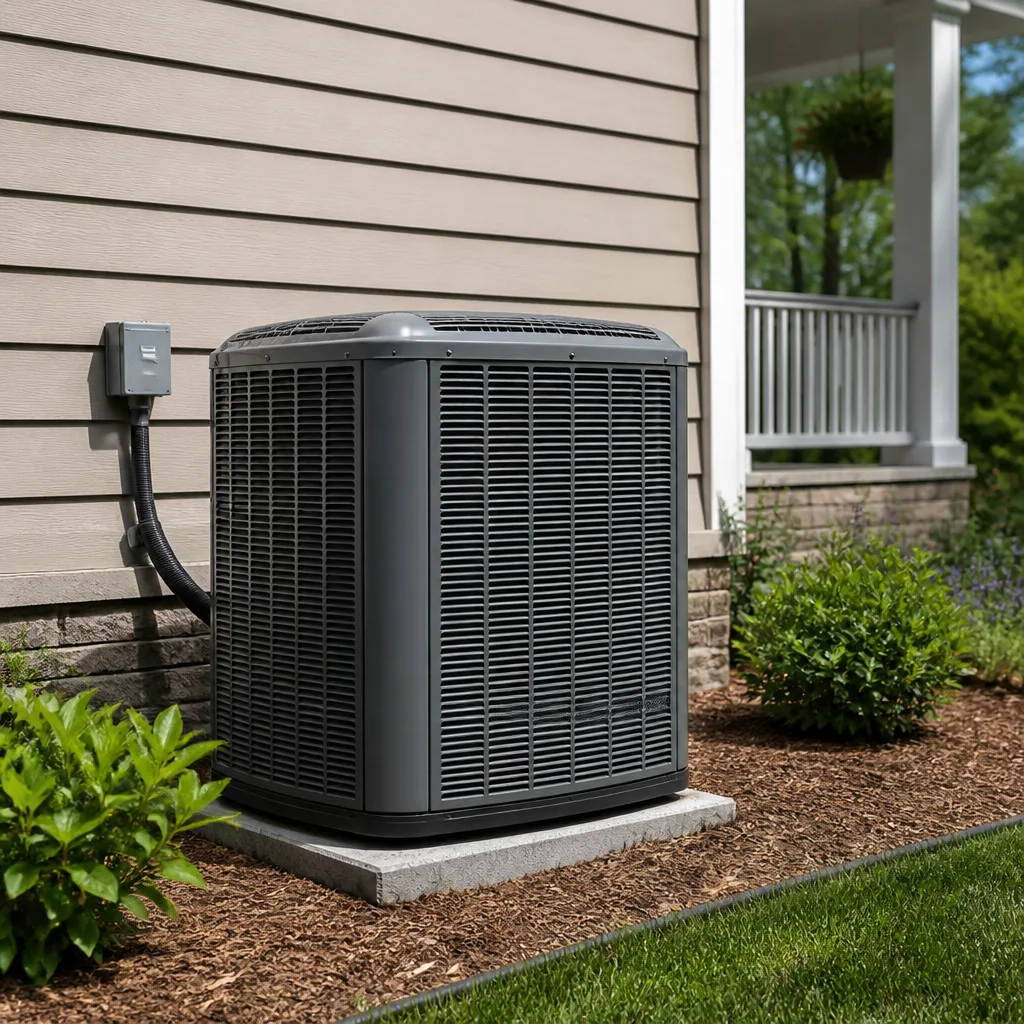 Trane
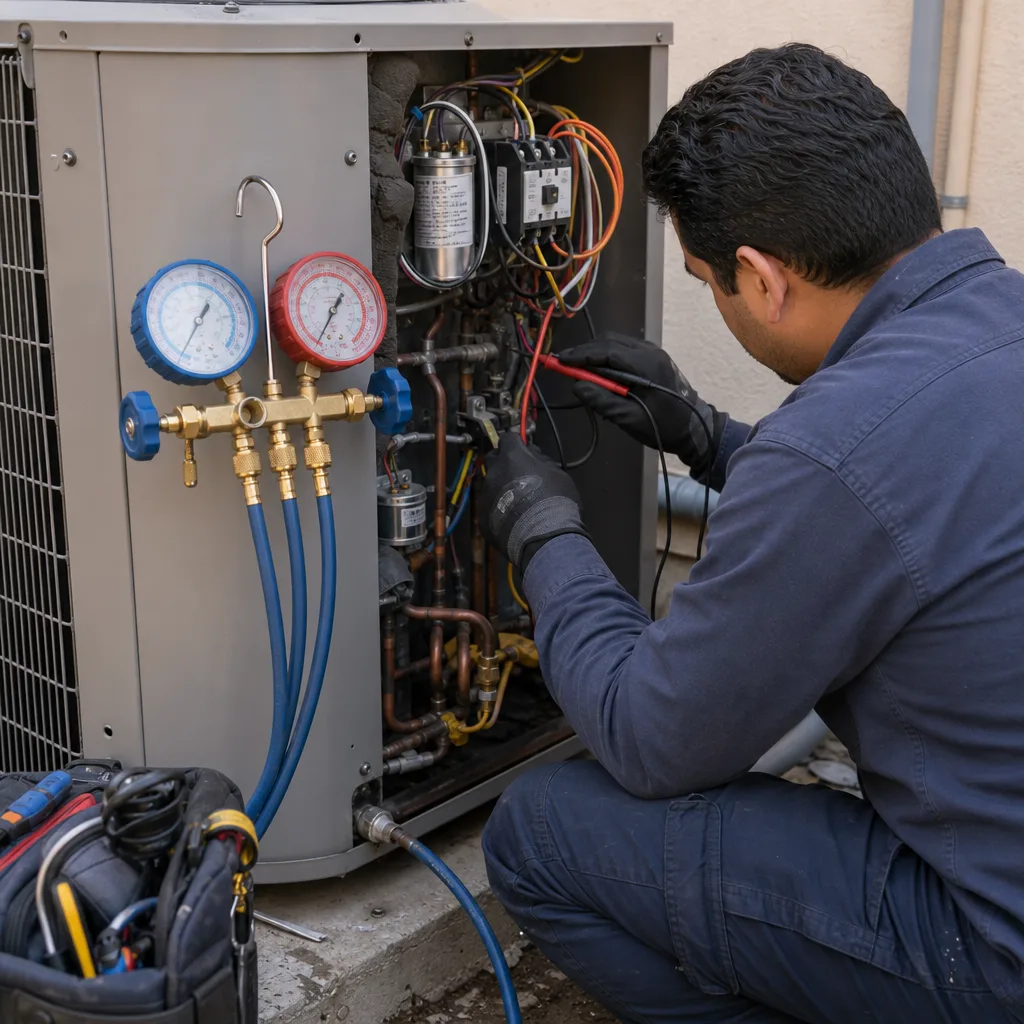
TraneSeasonal tune-up and full diagnostic on your Carrier, Trane, or Goodman system - readings shown to you before any repair is proposed
Diagnosis first, numbers second - you approve the repair price before a single part goes in.
Get your free estimateSeasonal HVAC Care for Pasadena: Year-Round Homeowner’s Guide
The week after the first 95°F day in May, HVAC shops across Pasadena book out 8 to 12 days for non-emergency service calls. That single week of heat resets the entire service calendar, and homeowners who have not prepped their systems by late March find themselves waiting in line behind every neighbor who did the same thing they did: waited too long. This guide covers the actual seasonal rhythm of Pasadena’s climate, not the generic four-season template national sites publish, and complements our Complete Guide to HVAC in Pasadena. You’ll learn the two windows of opportunity that determine whether you pay retail for parts or get ahead of the queue, the specific failure modes Pasadena’s mild winters create, and the maintenance calendar that matches how our weather actually behaves.
Styles & brands we work with
Quick Answer
Seasonal HVAC care in Pasadena means scheduling AC prep in late February through March, before the first May heat wave books local shops solid for weeks, and scheduling furnace checks in September, before Santa Ana season brings dry wind and residential heating demand. See our AC Repair Maintenance Checklist for Pasadena Homeowners for a printable version. The two windows that matter most are late March and late September. Miss those, and you’ll pay for it in wait times and emergency-call pricing rather than scheduled service.
Table of Contents
- The Pasadena Climate Reality: Two Demand Peaks, Two Prep Windows
- Month-by-Month HVAC Task Calendar for Pasadena
- Why Heating Prep Matters in Pasadena (Even in a Mild Winter)
- Santa Ana Season and Your HVAC System: October Through January
- Marine Layer Months (May-June): What It Means for Your AC
- August Peak Demand: What Happens When the Whole City Needs Service
- Spare-the-Air Days and SCE Time-of-Use Rates: Scheduling Your Equipment
- Post-Wildfire Ash Protocol for Outdoor Condenser Units
- Extended Absence Protocol: Preventing Mold Without Running the Unit Continuously
- Common Mistakes to Avoid
- When to Call a Professional
- Frequently Asked Questions
- The Bottom Line
The Pasadena Climate Reality: Two Demand Peaks, Two Prep Windows
Pasadena does not have four equal seasons for HVAC purposes. It has two high-demand periods separated by two windows of opportunity, and the specific weeks of those windows determine whether you pay retail for parts or wait in line behind everyone else who waited too long. The first demand peak hits in May, when the marine layer burns off and temperatures climb into the 90s. The second hits in late October through early November, when Santa Ana winds arrive and furnaces that have sat idle since March get switched on for the first time.
The prep windows are late February through late March for cooling, and mid-September through early October for heating. During these windows, parts are in stock, technicians are not running emergency calls back-to-back, and pricing reflects scheduled work rather than demand-saturated emergency response. We see the pattern every year in Pasadena: a homeowner calls on May 15 with a failed capacitor, and the wait is 10 days. The same call on March 15 gets a next-day appointment.
California’s climate also matters here in a way national guides miss. Pasadena’s inland location means our summer heat arrives earlier and lingers later than coastal Los Angeles. Our winter lows rarely drop below 40°F, but that mildness creates its own maintenance problem, which we’ll cover in the heating section below. The point is this: the calendar you follow matters more than the tasks themselves. Doing the right task at the wrong time costs you money and comfort.
For a full breakdown of what a cooling system check involves, our AC Repair in Pasadena page covers the inspection points and the most common failures we find in this climate.
Month-by-Month HVAC Task Calendar for Pasadena
Here is the calendar we give Pasadena homeowners who want to stay ahead of demand, with links to more guides & resources throughout. It is calibrated to our actual climate events, not a generic national template.
January: Verify Heating System Integrity
Furnaces are running regularly now. Listen for any new sounds: rumbling, banging, or a rattle that was not there in December. Check the condensate drain on high-efficiency furnaces; even in winter, Pasadena’s occasional rain can raise indoor humidity enough to make the drain line matter. If you have not changed the filter since November, do it now.
February: Open the Cooling Prep Window
This is the start of the first opportunity window. Schedule your AC inspection now, before the first 90°F day triggers the city-wide rush. A capacitor that is failing will still work on a 75°F day, which means the technician catches it during a scheduled call rather than you discovering it on a 98°F afternoon. Written pricing, a full inspection, and a repair completed at your convenience, not in emergency conditions.
March: Complete Cooling Prep Before the Window Closes
The window closes around the last week of March. By April 1, Pasadena’s mornings are consistently warm enough that service schedules begin filling. If your Heat Pump Installation in Pasadena or cooling replacement is on the horizon, March is the month to have the load calculation done and the equipment ordered. Installation crews still have open calendars.
April: Filter Replacement and Airflow Check
Change the filter. It is a boring task that prevents the most expensive failures. Restricted airflow from a clogged filter causes the evaporator coil to freeze, which leads to a no-cooling call on the first hot day of May. Check every return grille in the house and make sure furniture has not been pushed against one over the winter.
May: The First Demand Peak Begins
The marine layer burns off, temperatures hit the 90s, and Pasadena HVAC shops book out 8-12 days. If you are calling for service this month without prior prep, expect to wait. One thing you can still do: set your thermostat to a realistic temperature. A 68°F setting on a 100°F day will not cool your house faster; it will run the compressor continuously and increase the failure risk on an aging system.
June: Marine Layer Months Mean Partial Cooling Loads
June mornings in Pasadena are often overcast until 10 or 11 am. Your AC may not need to run until early afternoon. Use this partial-load period to observe system behavior. Does the unit short-cycle? Does it make a sound on startup you have not heard before? These observations, made before the August peak, give a technician useful diagnostic information.
July: Pre-August Inspection Opportunity
Most of Pasadena has not hit its worst heat yet. If you skipped the March window, July is your last chance before the August peak. It is not as convenient, but it is still better than an emergency call in August. Check the outdoor condenser for debris accumulation from spring landscaping.
August: Peak Demand. Do Not Wait.
This is the month when systems fail, and when they fail, the wait is longest. If your system goes down in August, call immediately; every hour of delay adds to the queue. For homeowners whose systems are still working, this is the month to resist the urge to set the thermostat below 74°F. Every degree below 74 adds measurable load and measurable wear to a compressor already running 14-16 hours a day.
September: Open the Heating Prep Window
Santa Ana season is weeks away. Schedule the furnace inspection now, before the first cold snap sends everyone else to the phone. This is the second opportunity window, and it closes by early October. A Furnace Repair in Pasadena completed in September is a scheduled call with parts on the truck. The same repair in November is an emergency call with a wait.
October: Complete Heating Prep, Begin Santa Ana Watch
The first Santa Ana event usually arrives this month. It brings dry air, single-digit humidity, and airborne dust. Complete the furnace check and filter change by mid-October. For heat pump owners, verify the reversing valve cycles correctly in heating mode; it is the single most common heat pump failure we see when the first heating cycle of the year happens.
November: Santa Ana Season Peaks
Winds are at their most frequent and most severe. Dust loading on the outdoor unit increases. If you are not comfortable with visual inspection of the condenser coil, this is the month to have a technician check particulate accumulation. Extended wind events can clog a coil enough to reduce cooling efficiency by 15-20% the following summer.
December: Steady-State Heating Season
Furnaces are running through their full cycles now. One critical task: check the exhaust vent on any 80% efficiency furnace. Santa Ana wind can blow debris against it, and a partially blocked vent is a carbon monoxide risk. This is also the month to verify your carbon monoxide detectors have working batteries.
Why Heating Prep Matters in Pasadena (Even in a Mild Winter)
Pasadena’s winters are mild by national standards. Overnight lows in the 40s, daytime highs in the 60s. The furnace is not the critical survival system it is in Chicago or Minneapolis. But this mildness creates a specific failure mode that national guides do not account for: the rarely-used furnace develops a cracked heat exchanger without anyone noticing.
Here is the sequence. A furnace in Pasadena runs perhaps 300-400 hours per year, compared to 1,500+ hours in a cold-climate city. That intermittent use means the metal components expand and contract fewer times, but each cycle is longer and the temperature swing is more extreme. Rust forms on the heat exchanger during the long idle season, when humidity from our marine layer sits inside the combustion chamber. Then the first cold snap of October or November fires the furnace, the rusted metal cracks under thermal stress, and carbon monoxide seeps into the vent stream.
The symptom is subtle: a faint smell, a yellow flame instead of blue, a CO detector that chirps intermittently. We see this pattern in Pasadena homes every fall, and it is precisely because the furnace sat unused for six months that the failure occurs. A September inspection catches the rust before the crack. A November emergency call catches it after the family has been exposed.
High-efficiency furnaces have a second issue specific to our climate: the condensate drain line. In a cold climate, the drain line is buried deep and protected from freezing. In Pasadena, the line often runs through an unconditioned crawlspace or exterior wall. During January and February, nighttime temperatures can drop into the 40s, and a drain line with standing water from the previous cycle can develop algae or mineral buildup that blocks the line by spring. The fix is simple: flush the line during the September inspection, and again in February during the cooling prep window.
Santa Ana Season and Your HVAC System: October Through January
Santa Ana winds are Pasadena’s most distinctive weather feature, and they affect HVAC systems in ways that have nothing to do with heating or cooling demand. The winds blow from the high desert toward the coast, bringing dry air, single-digit humidity, and particulate matter including dust, pollen, and sometimes ash from wildfires.
For your HVAC system, Santa Ana events create three specific problems. First, airborne particulate loads on the outdoor condenser coil. During a wind event, the coil is effectively a filter for every particle that passes through it. Over the course of a Santa Ana season, this can reduce airflow across the coil by 15-30%, which reduces cooling capacity and raises electrical consumption. Second, dry air increases static electricity, which in turn increases dust adhesion to the evaporator coil inside your home. Third, the barometric swings that accompany Santa Ana events can expose small refrigerant leaks that were not detectable under normal conditions.
Here is the sequence we recommend during Santa Ana season. After each major wind event, visually inspect the outdoor unit. If you see visible dust accumulation on the coil fins, a garden hose rinse at low pressure can remove loose particulate. Do not use high pressure; it bends the aluminum fins. If the accumulation does not rinse off with low-pressure water, it has likely bonded to the coil and needs a professional cleaning with the proper coil solvent.
During the December-January stretch, when multiple Santa Ana events have occurred, consider a mid-season coil check. The cost of a coil inspection is trivial compared to the efficiency loss over a full cooling season. This is one of the tasks we see Pasadena homeowners skip most often, and it costs them measurable money on their SCE bill every summer.
Marine Layer Months (May-June): What It Means for Your AC
Pasadena’s marine layer season, typically May through June, is the least understood period on the HVAC calendar. The morning overcast suppresses temperatures until late morning or early afternoon, which means your AC runs partial cooling loads, not sustained ones. This sounds like good news for the equipment. It is not, for one specific reason: short cycling.
Short cycling is what happens when the system turns on and off frequently without completing a full cooling cycle. A full cycle takes 15-20 minutes. During marine layer mornings, a system in a partially sun-exposed home may cycle on for 5-7 minutes, shut off, then start again 15 minutes later. Each start-up is the highest-wear moment in the compressor’s life, because that is when it draws locked-rotor amperage, the maximum electrical current the motor can pull. Repeated start-ups without full cycles accelerates compressor wear.
The practical implication: during May and June, set your thermostat to hold a slightly wider temperature band. If you normally set it at 74°F, try 73°F with a 2-degree deadband. This allows the system to run slightly longer cycles, which reduces the number of start-ups per day. It also prevents the humidity problems that come from a system that never runs long enough to pull moisture from the air. Pasadena’s June gloom brings elevated humidity; an AC that short-cycles does not dehumidify effectively.
If you notice your system turning on and off every 5-7 minutes during marine layer mornings, that is a diagnostic signal, not a normal operating pattern. It may indicate an oversized system, a refrigerant charge problem, or a thermostat calibration issue. Documenting the cycle times and sharing them with a technician gives us a significant head start on diagnosis.
August Peak Demand: What Happens When the Whole City Needs Service
August in Pasadena is when the system’s accumulated wear meets the maximum cooling load. Temperatures sit in the mid-90s to low 100s for days or weeks at a time. The compressor runs 14-16 hours a day. Every weak point, whether a degraded capacitor, a partially clogged coil, or a refrigerant charge that has drifted low, becomes a full failure.
From the service side, August is gridlock. Every HVAC shop in Pasadena is running at maximum capacity. The phones ring continuously. Emergency calls, defined as total system failures during peak heat, get triaged ahead of maintenance calls. A homeowner with a working system that is “not quite keeping up” may wait a week or more for a diagnostic visit, because the schedule is full of no-cooling emergencies.
This is why the March window matters. The capacitor that fails in August was measurable, to a technician with the right tools, in March. The refrigerant charge that is 20% low in August was 10% low in March. The coil that clogs completely in August was partially restricted in March. Every August emergency we respond to in Pasadena has a traceable history that begins months earlier.
If you find yourself in August with a system that is still running but struggling, here is what you can do immediately. Shade the outdoor unit, if it is on a west-facing wall in full afternoon sun. Clean or replace the filter, which is the single highest-value action available. Set the thermostat no lower than 76°F. And call us the moment the system stops cooling; an hour of delay in August adds materially to the wait.
Spare-the-Air Days and SCE Time-of-Use Rates: Scheduling Your Equipment
Pasadena has two external scheduling systems that affect how you should run your HVAC equipment, and most homeowners never connect them to HVAC maintenance. The first is the South Coast Air Quality Management District’s spare-the-air day alerts, which typically occur during summer ozone events. The second is Southern California Edison’s time-of-use rate structure, which makes electricity dramatically more expensive during peak afternoon hours.
Here is how to use them together. SCE’s time-of-use rates for Pasadena households are highest between 4 pm and 9 pm on weekdays during the summer months. That is also the period when your AC is working hardest against the day’s accumulated heat. A smart approach splits the difference: pre-cool the house between 2 pm and 4 pm, before the peak rate window begins, then let the system coast through the 4-6 pm period at a higher setpoint. This shifts electrical consumption out of the peak window and reduces the compressor’s continuous run time on the hottest afternoons.
Spare-the-air days work differently. On these days, when ozone levels are forecast to be unhealthy, the goal is to reduce emissions. Running your AC less reduces the electrical load, but it also reduces ventilation. The practical advice for spare-the-air days in Pasadena: run the AC in fan-only mode during the afternoon. The fan circulates filtered air through your home without engaging the compressor, which reduces electrical draw while maintaining indoor air quality. After 7 pm, when the spare-the-air window typically ends and peak rates begin to taper, resume normal cooling.
For equipment wear, the pattern that minimizes compressor hours while maintaining comfort is a graduated setpoint schedule: 74°F in the morning, 76°F from 2-6 pm, 74°F from 6-10 pm, and 72°F overnight for sleeping. Each degree of setpoint increase reduces compressor run time by roughly 8-10%. Over a full Pasadena summer, that is hundreds of hours of avoided compressor wear.
Post-Wildfire Ash Protocol for Outdoor Condenser Units
Wildfire smoke and ash are no longer occasional events in Pasadena; they are a recurring seasonal factor. Ash particles, unlike ordinary dust, are chemically active. They contain alkaline compounds that can bond to aluminum coil fins and corrode them over time. A layer of ash on a condenser coil is not just an airflow problem; it is a slow chemical reaction degrading the coil surface.
Here is the protocol we recommend for Pasadena homes after any significant wildfire smoke event, meaning visible ash accumulation on outdoor surfaces. First, do not turn on the AC until the outdoor unit has been inspected if the ash accumulation is visible. Running the system pulls the ash through the coil and deposits it deeper into the fin matrix, where it is harder to remove.
Second, a light dusting of ash, where you can still see the aluminum fins clearly, can be removed with a low-pressure garden hose. Rinse from the top of the coil downward, at an angle, so the ash washes out rather than being driven deeper. Third, a heavy accumulation, where the fins are visibly coated and the ash no longer rinses off with water alone, requires professional coil cleaning. The solvent we use is formulated to neutralize the alkaline ash compounds before they can etch the aluminum.
The threshold we tell Pasadena homeowners is simple: if you can see ash on the coil after a rinse attempt, it needs professional cleaning. If the rinse removes it, you are fine. If the ash has been on the coil through rain or morning dew, which creates a paste that bonds to the metal, assume a professional cleaning is necessary. The cost of coil cleaning is a small fraction of the cost of a replacement coil, and ash corrosion is a common reason for condenser replacement in this region.
Extended Absence Protocol: Preventing Mold Without Running the Unit Continuously
Pasadena homes go unoccupied for weeks at a time in summer, when residents travel, and in winter, when snowbirds head east. The HVAC question during absence is deceptively simple: what do you do with the system? The common advice, turn it off completely, creates a mold problem. Pasadena’s indoor humidity, especially in June and July, will find its way into the evaporator coil drain pan, and a warm, dark, damp drain pan is mold’s favorite environment.
The opposite approach, running the unit continuously, wastes electricity and adds wear. The correct protocol for a Pasadena absence of two weeks or more is as follows. Set the thermostat to 85°F for cooling season absences. This keeps the indoor temperature high enough that the system runs intermittently, which circulates air and keeps the drain pan from becoming a stagnant pool, but low enough that the compressor is not cycling frequently. If you have a smart thermostat, set a fan schedule that runs the blower for 15 minutes twice a day; this alone moves enough air to prevent mold formation in the pan even when the compressor never engages.
For winter absences, set the thermostat to 60°F. This prevents the interior from dropping to temperatures where condensation forms on interior walls from our cold winter nights, while keeping the furnace from cycling more than once or twice a day. Before leaving for either season, pour a quarter cup of white vinegar into the condensate drain line. The vinegar sits in the P-trap and prevents algae growth while the system is idle.
One additional Pasadena-specific point: if you are leaving during Santa Ana season, shut off the outdoor condenser breaker. An extended wind event blowing through an unoccupied home does not justify the risk of debris accumulating on a unit you cannot inspect. The breaker is next to the outdoor unit, and flipping it off during a multi-week absence costs nothing.
Common Mistakes to Avoid
- Waiting for the first hot day to schedule cooling service. By the time the first 95°F day hits Pasadena in May, every shop in the city is booked for a week or more. Schedule in March, when the appointment is next-day and the parts are in stock.
- Setting the thermostat to 68°F on a 100°F day. The system cannot produce 68°F air on a 100°F day, and trying forces the compressor to run continuously. Set a realistic 74-76°F and use ceiling fans for perceived comfort.
- Ignoring a furnace that has sat unused for months. The most dangerous furnace failure in Pasadena is the cracked heat exchanger that develops during the idle season. An annual inspection in September is cheaper than a CO exposure or a mid-winter replacement.
- Rinsing the condenser coil with a pressure washer. High-pressure water bends the aluminum fins and destroys the coil’s airflow characteristics. Low-pressure hose water only, and only when the unit is powered off at the breaker.
- Closing supply vents in unused rooms. Modern HVAC systems are not designed for this. Closing vents raises static pressure, which increases blower motor wear and can cause the evaporator coil to freeze.
- Running the system during a visible ash event. Wildfire ash on the outdoor coil gets pulled deeper into the fin matrix when the fan runs. Inspect first, clean second, then run.
- Skipping the March inspection because the system “worked fine last summer.” The failures we fix in August were detectable in March. The inspection is cheaper than the emergency call, and the written price is established before the rush.
When to Call a Professional
Some tasks in this guide are homeowner jobs: filter changes, visual inspections, low-pressure rinses, vinegar in the drain line. Others require a trained technician with refrigerant gauges and diagnostic tools. Call when the system makes a sound you have not heard before, when the AC runs but does not cool, when the furnace flame is yellow instead of blue, when the system short-cycles on and off in under ten minutes, or when you smell anything unusual from the vents. Any of these is a diagnostic signal, not a symptom to ignore. Dalton Heating & Air Pasadena offers free estimates in Pasadena. Call (626) 657-5344 and we’ll put the price in writing before any work begins.
Frequently Asked Questions
Once a year, in late February or March, before the first heat wave triggers the city-wide service rush. Annual service includes a coil cleaning, a capacitor check, a refrigerant level verification, and a full electrical inspection.
A seasonal tune-up in Pasadena typically runs $90 to $180 for a basic inspection and cleaning, depending on the system. Repairs found during the inspection are priced separately, in writing, before the work begins.
You can rinse it with a garden hose at low pressure, from the top down, with the power off at the breaker. Anything beyond a visual inspection and a low-pressure rinse, including coil solvent application or fin straightening, calls for a professional. High pressure will damage the fins.
Dust that has settled on the heat exchanger during the idle season burns off in the first few minutes of operation. If the smell persists beyond 10 minutes, or if it smells like gas or burning plastic, shut the system off and call a technician.
A well-maintained system in Pasadena should last 15 to 20 years for a furnace and 12 to 16 years for an AC or heat pump. Our marine layer humidity and Santa Ana dust both shorten the lifespan of neglected systems. The difference between 10 years and 16 years is annual maintenance.
If the repair costs more than 30% of the replacement cost, and the system is more than two-thirds of the way through its expected lifespan, replacement becomes the better financial decision. We provide the numbers in writing, and you make the call. There is no pressure from our side to spend more.
The Bottom Line
Pasadena’s HVAC reality is two demand peaks and two prep windows. Cooling prep happens in March, heating prep happens in September, and the homeowners who get it done during those windows avoid the waits, the emergency pricing, and the stress that dominate May and November. The tasks themselves are not complicated: filter changes, coil inspections, a professional checkup each season, and attention to the specific failure modes our climate creates, from Santa Ana ash to marine layer short-cycling. The discipline is in the timing. Do the work before the demand peak, and the system will carry you through the peak without drama.
Written by Marco Benitez, Owner at Dalton Heating & Air Pasadena, serving Pasadena since 2003.
See the difference
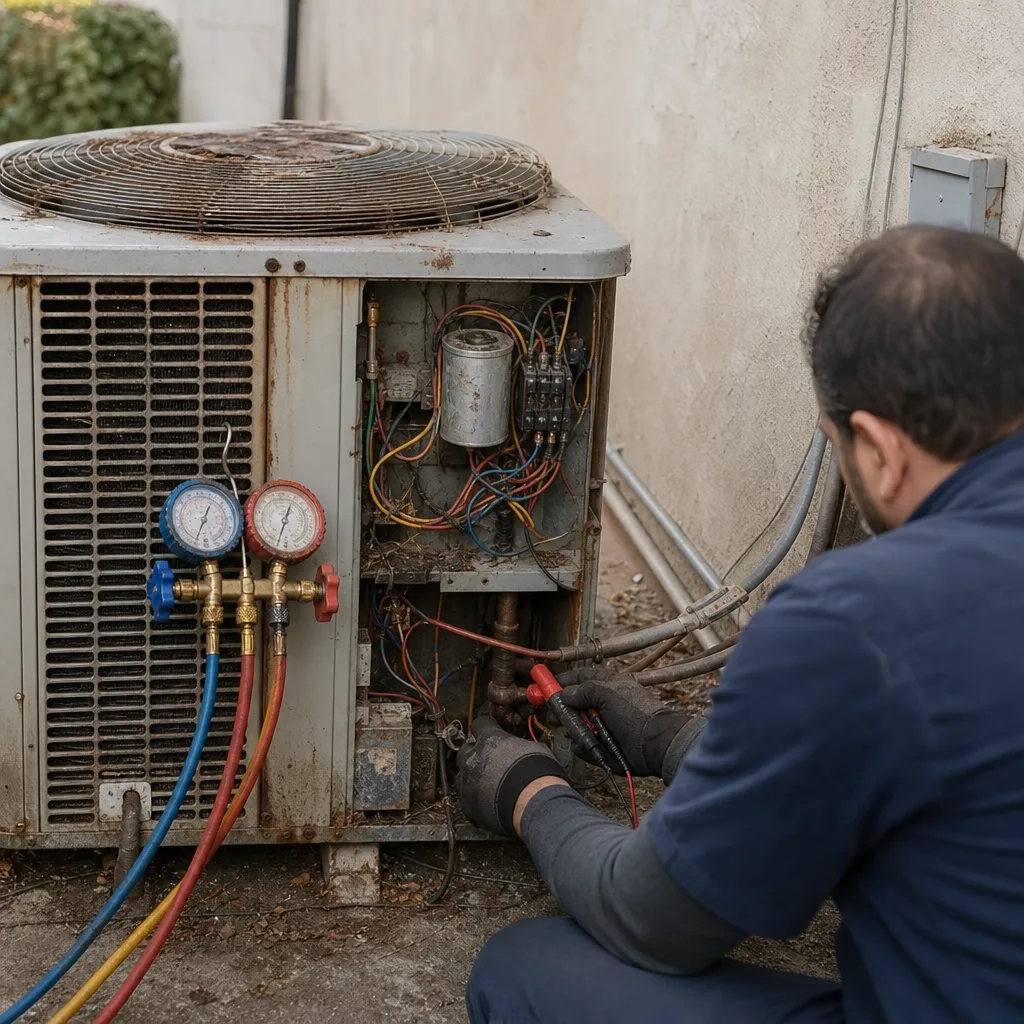 Before
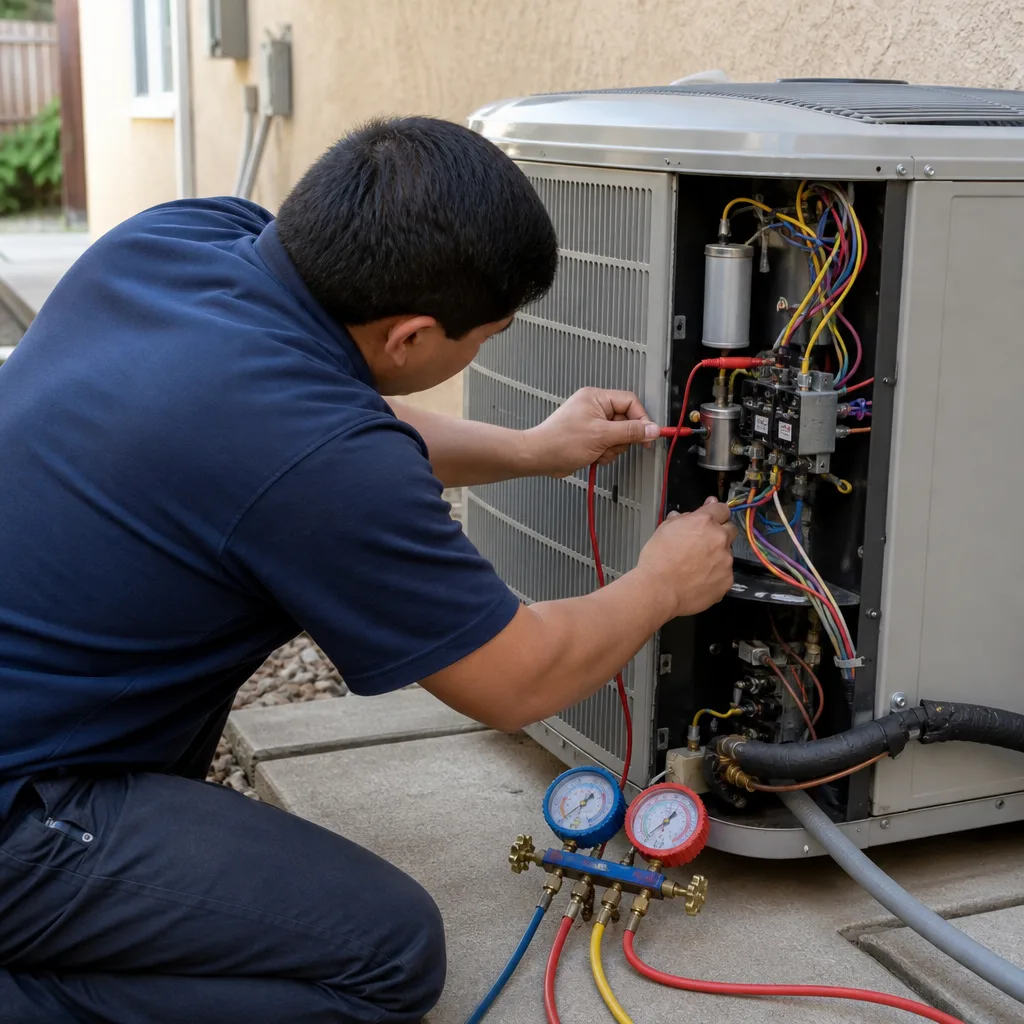 After
After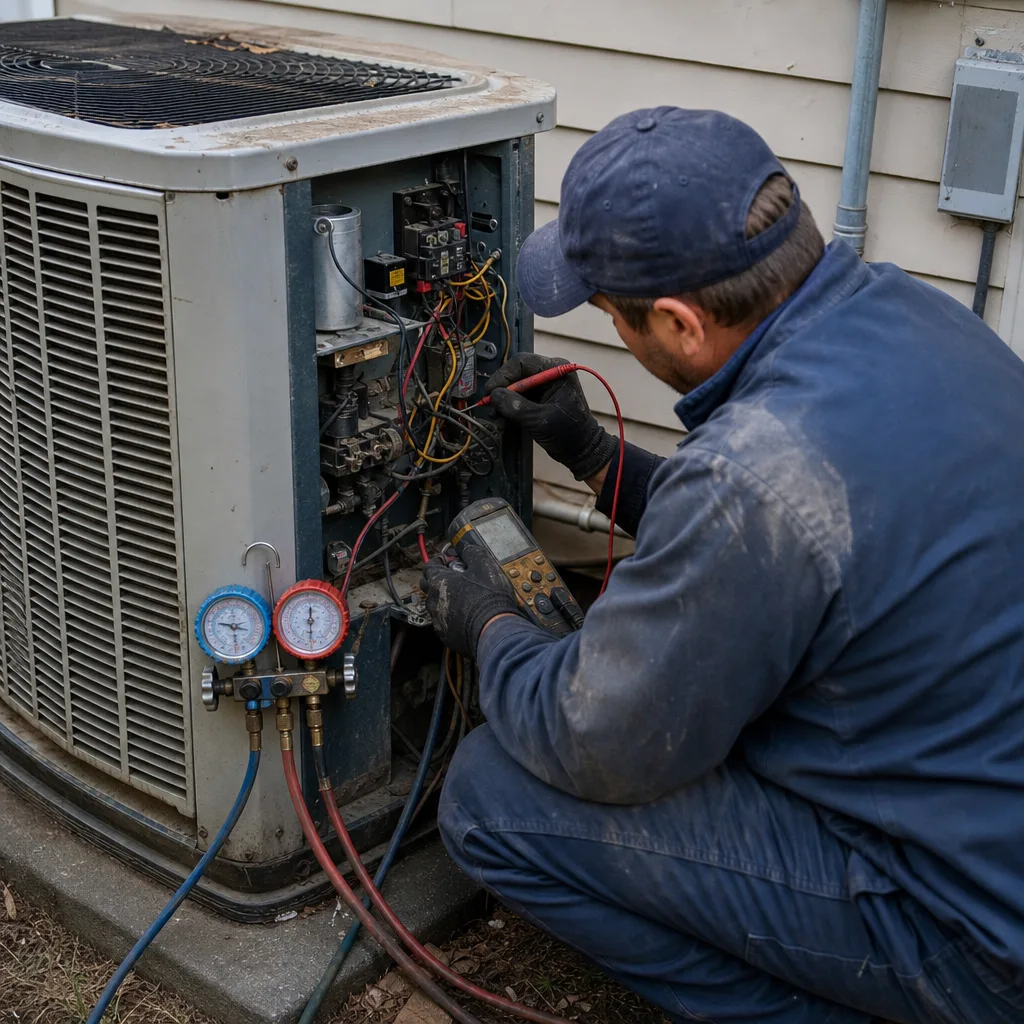 Before
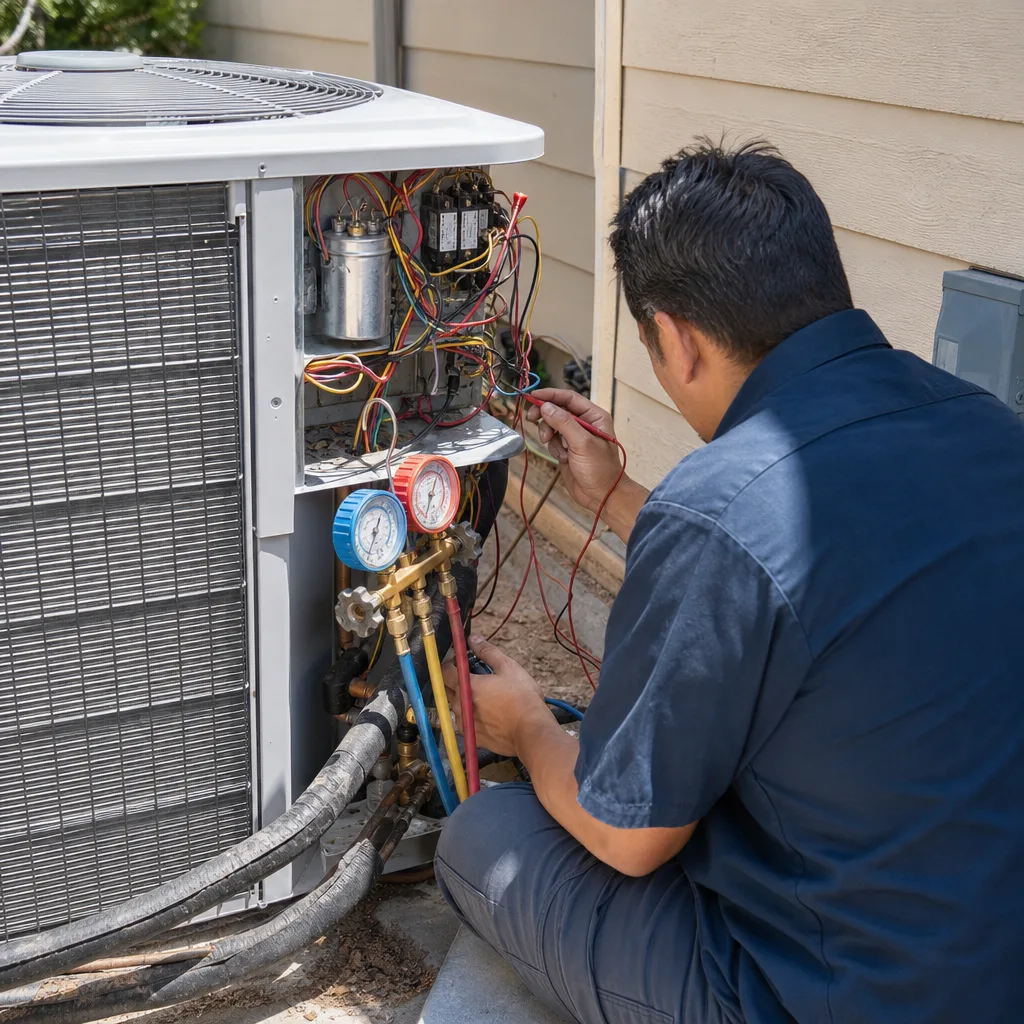 After
After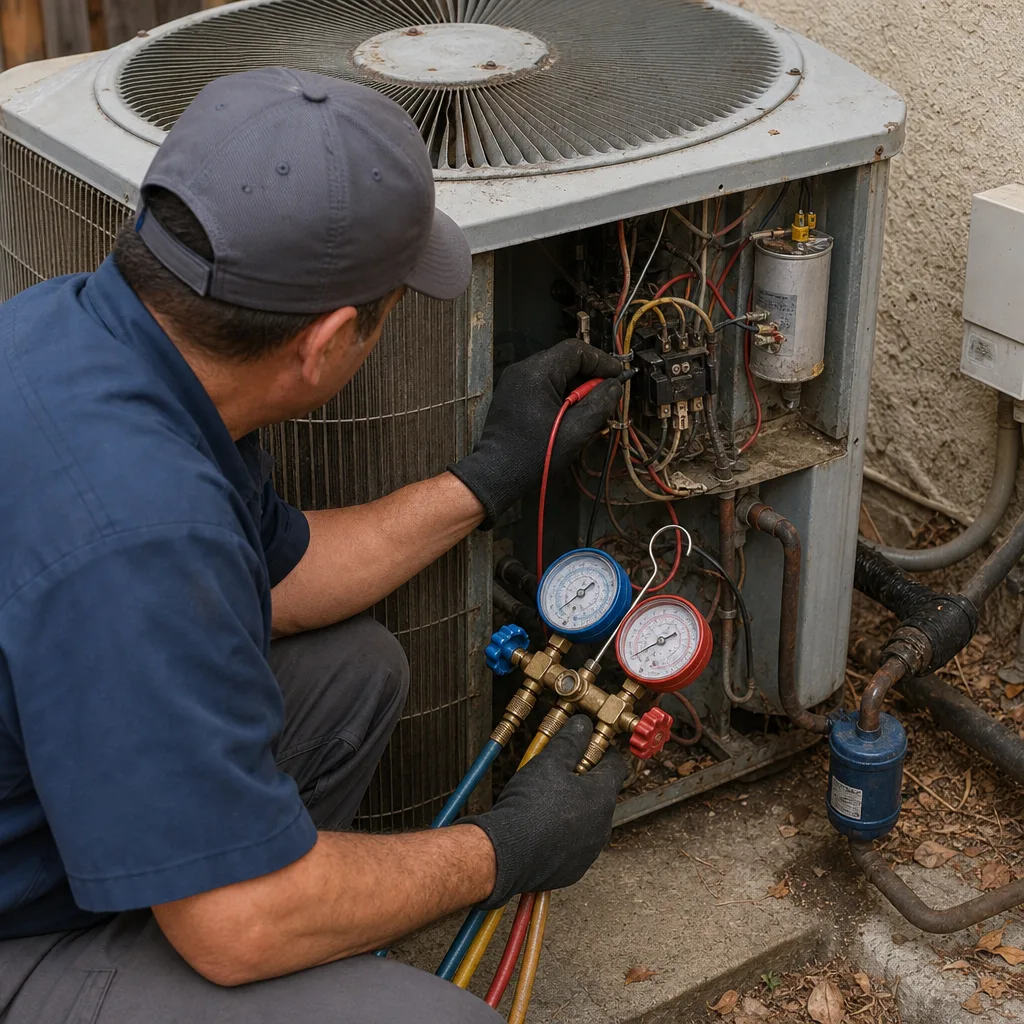 Before
 After
After