
Last updated October 16, 2026
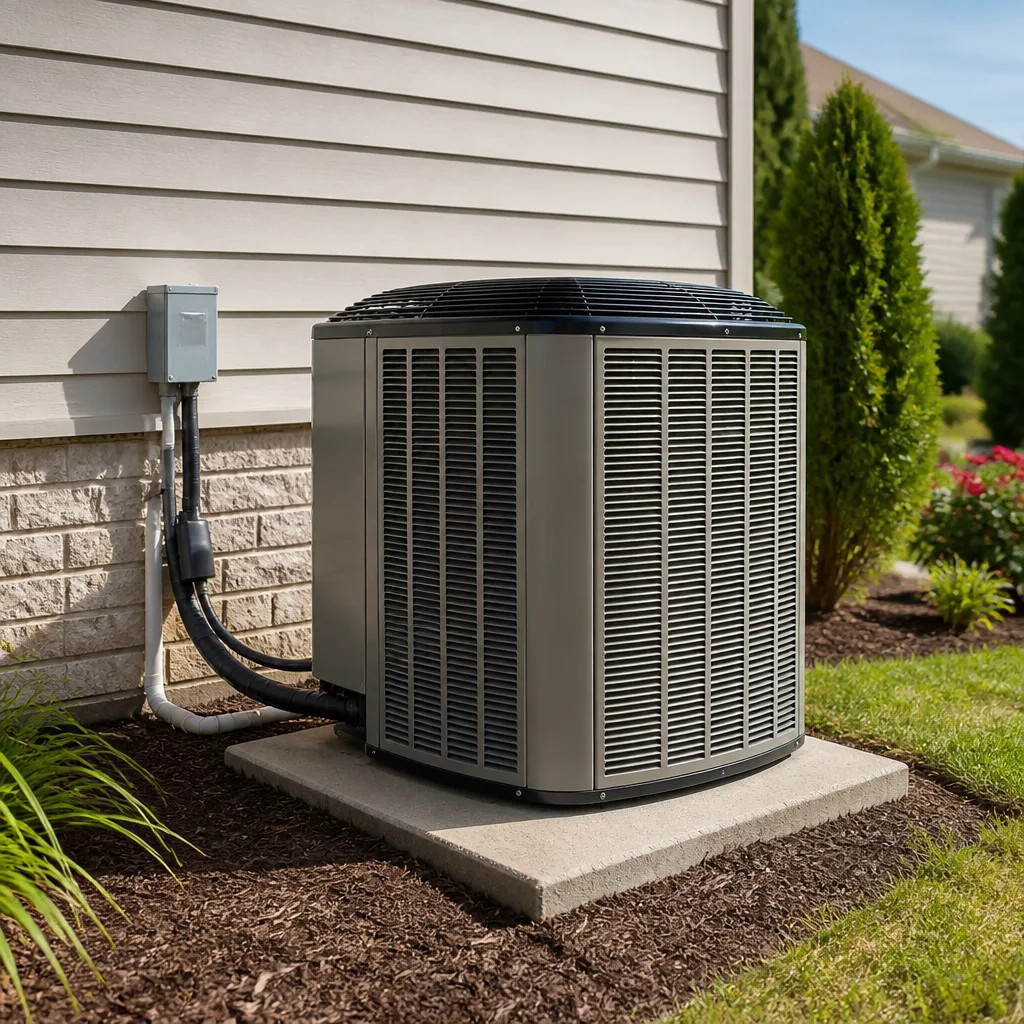 AC repair
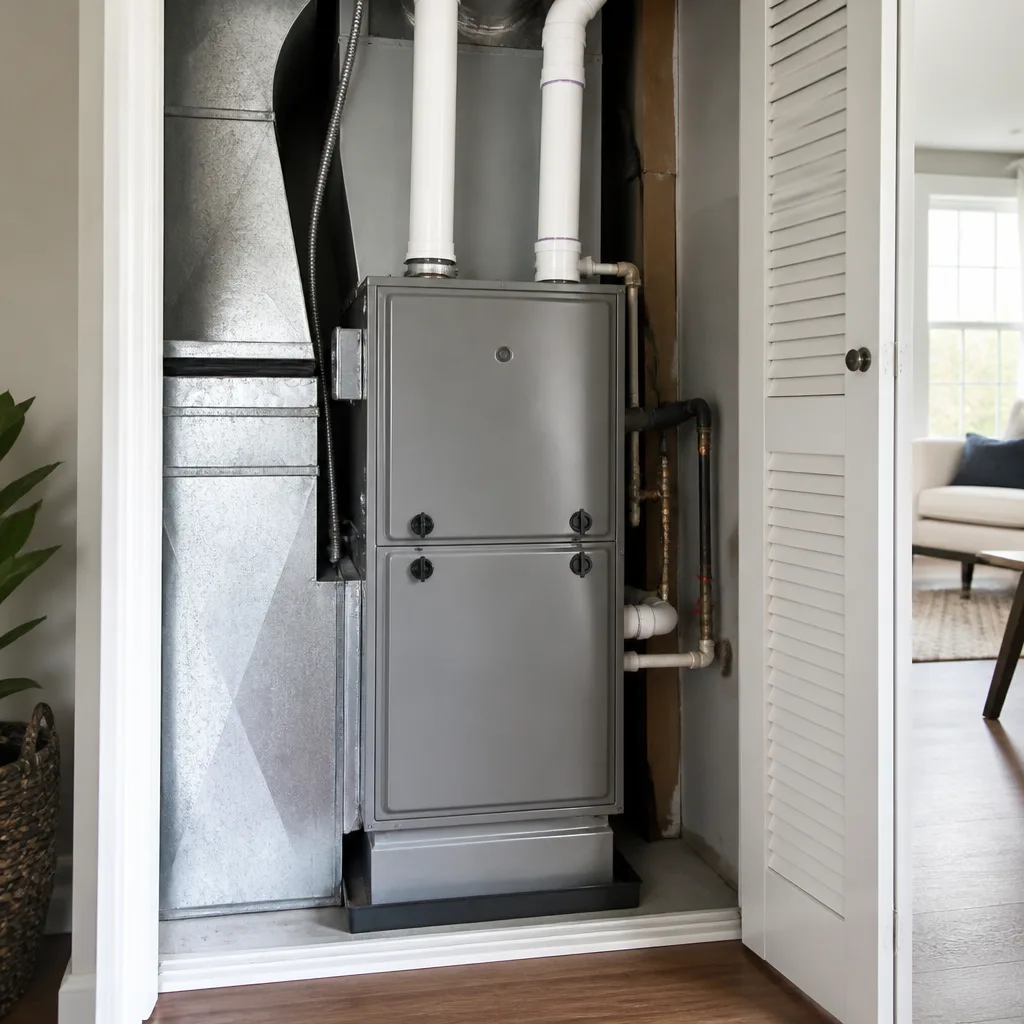 Furnace & heating
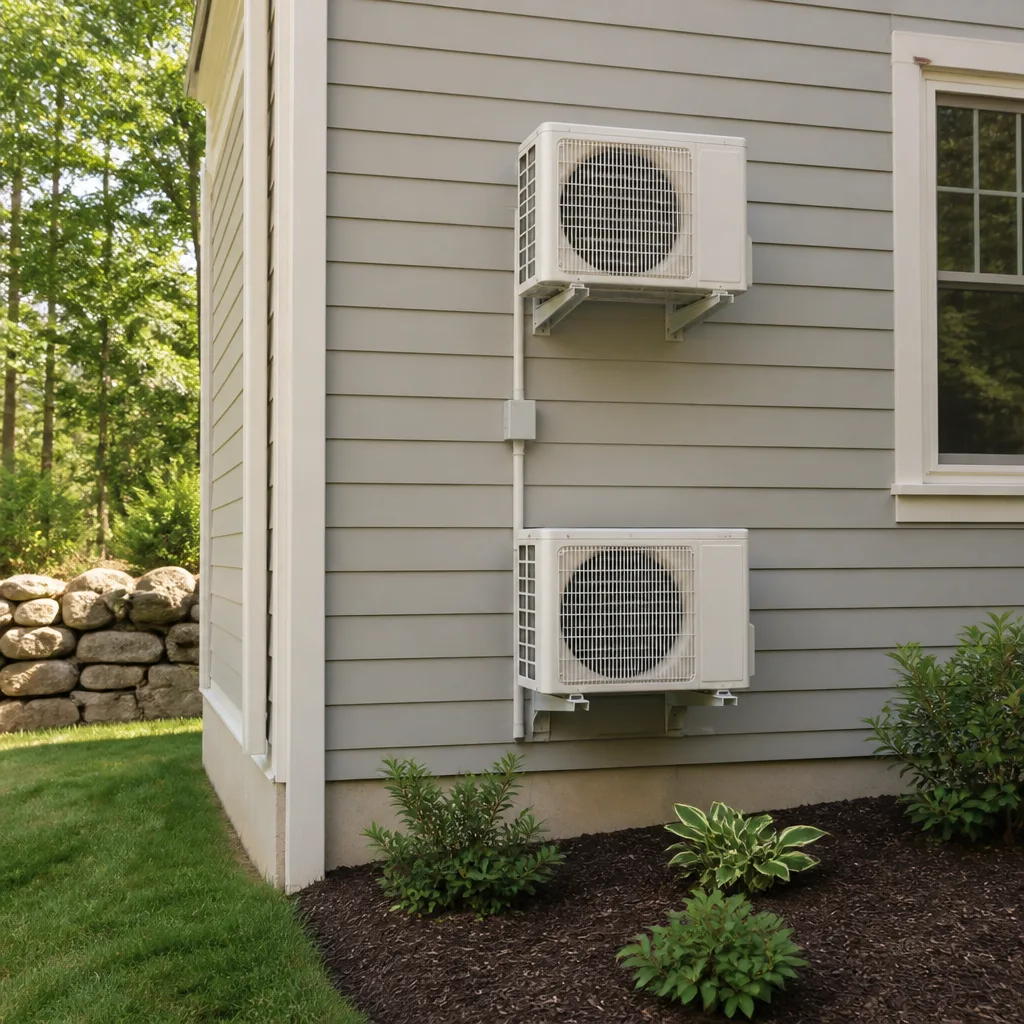 Ductless mini splits
 Trane
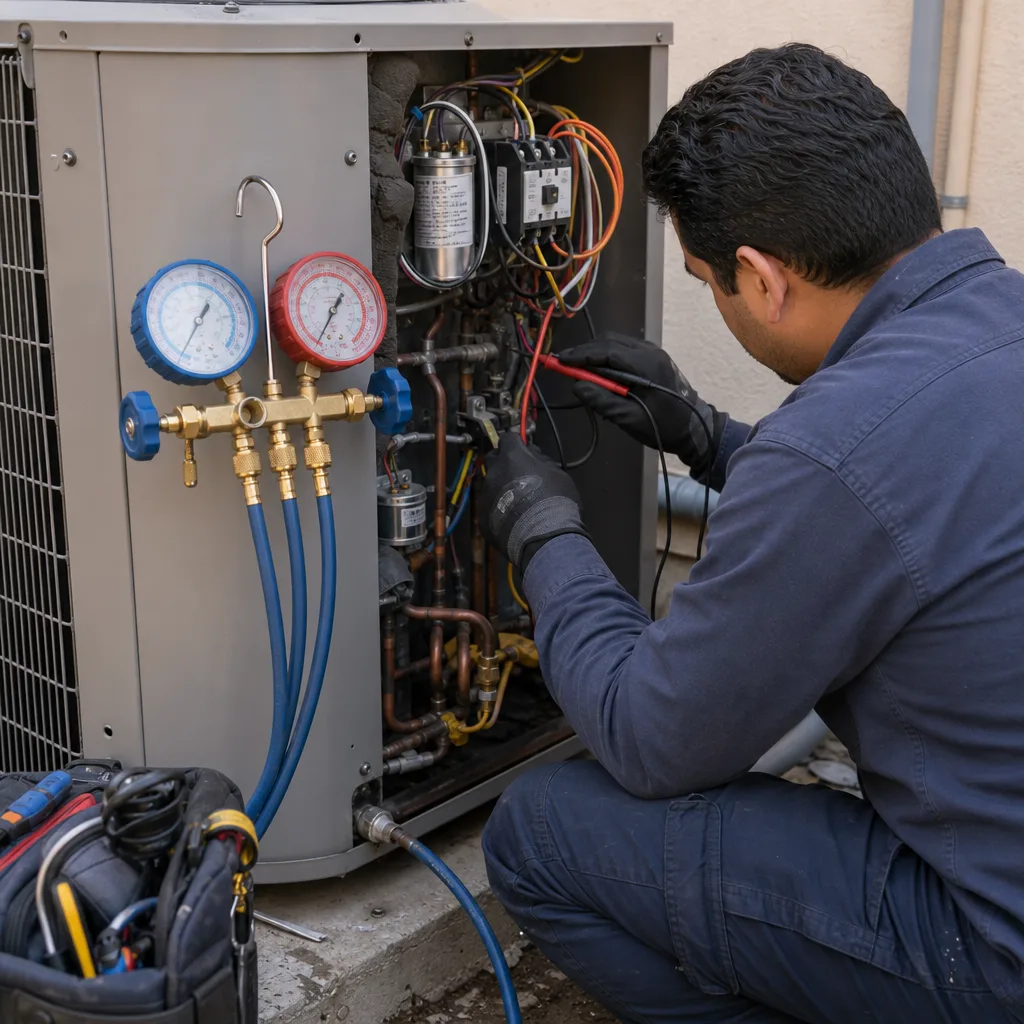
TraneSeasonal tune-up and full diagnostic on your Carrier, Trane, or Goodman system - readings shown to you before any repair is proposed
Diagnosis first, numbers second - you approve the repair price before a single part goes in.
Get your free estimateHVAC Cost Breakdown: The Pasadena Homeowner’s Reference for 2026
The average HVAC equipment markup from contractor cost to homeowner invoice in the Los Angeles metro runs 35 to 60 percent. That is not inherently dishonest: a contractor has trucks, insurance, training, and a warranty to carry. But here is the problem: most quotes bury those markups inside a single all-in number, so you cannot see whether you are paying for workmanship or paying for opacity. This guide is the fix, and you can find more guides & resources on our blog. We are going to publish the actual cost components of the ten most common HVAC jobs in Pasadena, parts and labor separated, so you can read any quote and know which line is legitimate and which one pads the margin.
Styles & brands we work with
Quick Answer
Most HVAC repairs in Pasadena run $150 to $450 in labor plus the part, with capacitor replacements at the low end and blower motors or coil work at the high end; a full system replacement in 2026 typically lands between $8,000 and $16,000 depending on equipment tier, permitting, and HERS testing. The single biggest factor controlling your final price is whether you receive an itemized, fixed written quote before work starts. If the quote is verbal or all-in, you are probably about to pay 20 to 40 percent more than the line-item price.
Table of Contents
- Why HVAC Pricing Is Opaque (And How to Make It Transparent)
- The 10 Most Common Pasadena HVAC Repairs, Parts & Labor Separated
- What Pasadena Permits and HERS Testing Actually Add to a Replacement
- SCE and SoCalGas Rebates: How a Contractor Should Apply Them
- Why Two Quotes for the Same 3-Ton System Can Differ by $4,000
- What a Written Fixed-Price Quote Must Contain to Be Enforceable
- Common Mistakes to Avoid
- When to Call a Professional
- Frequently Asked Questions
- The Bottom Line
Why HVAC Pricing Is Opaque (And How to Make It Transparent)
HVAC pricing is opaque by design, and Pasadena is no exception. The parts themselves have published wholesale costs: a capacitor costs a contractor $15 to $40. A contactor runs $20 to $60. A blower motor runs $180 to $400 depending on horsepower and brand. Those numbers are not secret. What is secret is the labor rate, the markup multiplier, and the trip fee that gets folded somewhere into the invoice without a label.
Here is how the industry works. Most residential HVAC companies in Pasadena operate on a flat-rate pricing model. That means the technician arrives with a price book, not a calculator. The book has a line for “capacitor replacement” and a price next to it, usually $250 to $450. That price includes the part, the labor, the truck, the insurance, the training, and a margin. That is not wrong. Flat-rate pricing is how a company stays in business. But the problem is that the book price is rarely explained to you, and some companies push it upward on the spot because the technician works on commission. The technician is not charging you more because the part costs more. The technician is charging you more because the price book says he can, and because the company knows you are hot or cold and need the repair done today.
What we tell Pasadena homeowners is simple: ask for the quote broken into two lines. Part cost and labor cost. Not every company will provide this. But the ones that do are signaling something important: they are not afraid of math. When a company hands you a written, itemized price before any work starts, you can see exactly where the margin lives. If the capacitor line says “$39 part, $210 labor,” you can decide whether that labor number is fair for a 30-minute repair. That is the transparency this guide is built on.
At Dalton Heating & Air Pasadena, we’ve been operating under The Garrison Standard since 2003. The standard is not a slogan. It means every job gets a written price before work begins, every repair gets a written guarantee for a full year, and if the repair fails in that window, we return at no charge. That is how you remove opacity from a quote: write the number down, sign it, and stand behind it. Our AC repair service in Pasadena applies this standard on every call, from a capacitor to a full coil replacement.
The 10 Most Common Pasadena HVAC Repairs, Parts & Labor Separated
These are the ten jobs our technicians see most often across Pasadena, from Bungalow Heaven to Hastings Ranch, and they’re covered in detail in our Seasonal HVAC Care for Pasadena: Year-Round Homeowner’s Guide. The part ranges reflect 2026 wholesale-to-retail pricing from major supply houses in the San Gabriel Valley. Labor ranges reflect what a licensed Pasadena contractor with insurance, training, and a real warranty should charge. These are not lowball numbers from an unlicensed trunk-slammer, and they are not inflated numbers from a commission-driven shop. They are the fair middle.
1. Capacitor Replacement
Part: $15 – $40. Labor: $120 – $200. Total: $135 – $240.
The capacitor is a small cylinder that stores and releases the electrical charge to start your compressor or fan motor. When it fails, the outdoor unit hums but won’t start, or the fan turns slowly. In Pasadena’s summer heat, a failed capacitor is the single most common reason a system won’t cool, and it’s one of the key HVAC Warning Signs: A Pasadena Homeowner’s Reference Guide. The repair takes 20 to 30 minutes. If a quote has this line at $400 or more, the part is not the reason. You are paying a trip fee and a margin with no explanation.
2. Contactor Replacement
Part: $20 – $60. Labor: $130 – $220. Total: $150 – $280.
The contactor is the electrical switch that lets the thermostat signal the outdoor unit to turn on. Ants are a common cause of failure in Pasadena, especially in neighborhoods with mature landscaping. The repair is straightforward, but a knowledgeable technician will check the line voltage and the coil resistance while the panel is open. That diagnostic step is part of what separates real furnace repair and AC work from a parts-swap.
3. TXV Valve Replacement
Part: $120 – $250. Labor: $300 – $600. Total: $420 – $850.
The TXV, or thermal expansion valve, meters refrigerant into the evaporator coil. A failed TXV shows up as a system that runs but does not cool properly, often with frost on the lines. The repair is more involved because it requires recovering refrigerant, replacing the valve, brazing the connections, pressure-testing with nitrogen, pulling a vacuum, and recharging the system. This is not a DIY job. The labor reflects real time and real skill.
4. Evaporator Coil Replacement
Part: $400 – $900. Labor: $600 – $1,200. Total: $1,000 – $2,100.
The evaporator coil sits inside your air handler or furnace and absorbs heat from the air in your home. When it leaks, you lose refrigerant and cooling capacity. Coil replacement is a half-day to full-day job. The old coil comes out, the new one goes in, the system gets pressure-tested and recharged. In Pasadena, where many homes still run R-22 systems from the early 2000s, a coil failure often triggers a bigger conversation: repair or replace. More on that in the replacement section.
5. Condenser Coil Replacement
Part: $500 – $1,100. Labor: $500 – $900. Total: $1,000 – $2,000.
The condenser coil is the outdoor counterpart. It releases heat to the outside air. Coastal moisture and urban grime are the main culprits here. A Pasadena condenser coil that never gets rinsed will corrode and leak. Replacement is similar in scope to evaporator coil work. The deciding factor on price is often whether the coil is under a parts warranty from the manufacturer. If it is, you might pay labor only, which brings the total down to the $500 to $900 range.
6. Blower Motor Replacement
Part: $200 – $500. Labor: $250 – $500. Total: $450 – $1,000.
The blower motor pushes air through your ducts. A failing blower motor often makes a grinding or squealing noise before it dies. In Pasadena’s older homes, especially those with original equipment from the 1990s, blower motor failure is common after years of dust and heat cycles. The price difference in the part range depends on whether you need a standard PSC motor or an ECM motor. ECM motors are more efficient but more expensive to replace.
7. Heat Exchanger Replacement
Part: $500 – $1,200. Labor: $600 – $1,200. Total: $1,100 – $2,400.
The heat exchanger is the metal chamber inside your furnace that separates combustion gases from the air that warms your home. A cracked heat exchanger is the most serious furnace problem we find in Pasadena. It is a carbon monoxide risk and requires immediate attention. Replacement can take a full day or more. In many cases, if the furnace is more than 15 years old, we recommend considering replacement of the entire furnace rather than a heat exchanger alone. The economics rarely favor repairing a $2,000 component in a unit that has already lived its expected life. Safety note: a cracked heat exchanger is a genuine safety hazard. Do not run a furnace with a suspected crack until a licensed technician has inspected it.
8. Refrigerant Recharge with Leak Search
Leak search: $100 – $250. Refrigerant: $80 – $200 per pound. Labor: $150 – $300. Total: $330 – $750.
A system that is low on refrigerant has a leak somewhere. The correct repair is to find the leak, fix it, and then recharge. The wrong repair is to top off the system and leave. A technician who adds refrigerant without finding the leak is selling you a temporary fix that will fail again. In Pasadena, where summer temperatures routinely break 100°F, a system that loses charge in August means a week without cooling. We always do a leak search before recharging. It costs more up front and saves you money the second time around.
9. Duct Repair
Materials: $50 – $200 per section. Labor: $75 – $200 per hour. Typical repair: $300 – $800.
Ductwork in Pasadena homes takes a beating. Attic temperatures in the San Gabriel Valley routinely hit 130°F in summer, which causes old duct tape to dry out and fall off. Rodents chew through flex duct. Poorly supported ducts sag and separate at the joints. A typical repair involves sealing or replacing a section of duct, reconnecting a boot, or adding support straps. If a significant portion of the ductwork is damaged, a full duct replacement may be the better call. That runs $3,000 to $7,000 depending on the size of the home and the accessibility of the attic.
10. Full System Replacement
Equipment: $4,000 – $9,000. Labor: $2,500 – $5,000. Permits and HERS: $700 – $1,500. Total: $8,000 – $16,000.
A full system replacement in Pasadena means a new outdoor condenser, a new indoor evaporator coil, and usually a new furnace or air handler. The price depends on the efficiency tier, the brand, and the size, measured in tons. We will break down the brand and tier pricing below. This is the biggest HVAC purchase most homeowners make, and it is the purchase where the opacity problem is worst. A detailed, line-item quote is not optional here. It is the only way to compare two bids fairly. Our heat pump installation service in Pasadena always includes a written, line-itemed price before any work begins.
What Pasadena Permits and HERS Testing Actually Add to a Replacement
Pasadena has specific rules for HVAC replacement work, and those rules add real cost-see our full breakdown of HVAC Permits, Codes & Inspections in CA: What You Need to Know. This is one of the areas where two quotes for the same job can differ by $1,000 or more, and the difference is not always explained.
Pasadena requires a mechanical permit for any HVAC system replacement. The permit fee is calculated on the valuation of the work and typically runs $250 to $600 for a residential system. The permit triggers an inspection. The inspector verifies that the equipment was installed to code, the electrical connections are correct, and the condensate drain is properly routed. A company that suggests skipping the permit is saving you money up front and creating a liability later. If you sell the home or make an insurance claim, unpermitted work becomes a problem. At Dalton Heating & Air Pasadena, the permit is always included in the quote as a line item. No exceptions under The Garrison Code.
HERS testing is the second requirement. HERS stands for Home Energy Rating System, and California building code requires a HERS rater to verify the installation after completion. The test confirms that the refrigerant charge is correct, the airflow is within spec, and the system meets the rated efficiency. This is not a rubber stamp. A HERS rater is an independent third party, not the contractor. The test costs $250 to $500 depending on the system and is paid by the contractor, who passes the cost through on your invoice.
The third cost component is the refrigerant transition. As of January 1, 2025, new residential systems in California use R-454B or R-32 refrigerant instead of R-410A. This matters for two reasons. First, new equipment costs slightly more because manufacturers retooled their lines. Second, if you have an older R-22 system that needs a major repair, the refrigerant alone can cost $150 to $250 per pound, and it is being phased out entirely. Sometimes the right financial decision is to replace the system rather than pour discontinued refrigerant into a dying unit.
In Pasadena specifically, the City’s building department also enforces Title 24 energy standards. That means the contractor must verify the replacement system meets or exceeds the efficiency rating of the system being removed. If you have a 10 SEER system from 2003, you cannot install another 10 SEER system. The new minimum is 14.3 SEER2 in California, and most Pasadena homeowners choose 15 to 17 SEER2 for the balance of upfront cost and long-term operating savings.
SCE and SoCalGas Rebates: How a Contractor Should Apply Them
Southern California Edison and SoCalGas both offer rebates on qualifying HVAC equipment. The amounts change annually, but here is what Pasadena homeowners should expect in 2026.
SCE offers rebates on high-efficiency heat pumps and AC systems. A qualifying 16 SEER2 heat pump can earn $500 to $1,500 depending on the model and whether it replaces an electric resistance system. SoCalGas offers rebates on high-efficiency furnaces, typically $300 to $600 for a 95%+ AFUE unit. Some equipment qualifies for both utility rebates and federal tax credits under the Inflation Reduction Act, which can add another $600 to $2,000 depending on your tax situation. A good contractor will explain these without making them the centerpiece of the sales pitch.
The critical question is how the rebate gets applied. There are two models. The first model is the instant rebate or invoice credit, where the contractor reduces your invoice by the rebate amount and the contractor files the paperwork with the utility. The second model is the mail-in rebate, where you pay full price and chase the rebate yourself. A written quote should show the rebate as a separate line item: the gross price, the rebate credit, and the net price. If the quote says “eligible for up to $1,500 in rebates” without a line-item credit, the rebate is not in the deal. It is in the marketing.
We recommend asking this question directly: “Will the rebate be applied as a credit on the invoice, or am I responsible for filing?” A contractor who hesitates to answer is telling you something. The rebates are real, and they are designed to be easy. There is no reason a legitimate company would make you do the paperwork.
Why Two Quotes for the Same 3-Ton System Can Differ by $4,000
This is the question we hear most often from Pasadena homeowners: “I got two quotes for the same 3-ton system and one is $10,000 and the other is $14,000. Why?” The answer is almost never “one company is ripping you off.” The answer is that the quotes are not for the same thing. Here are the specific line items that account for the gap.
Brand tier. Carrier, Trane, and Lennox are premium brands. A 3-ton, 16 SEER2 heat pump from Carrier runs $500 to $1,500 more at wholesale than an equivalent Goodman or Rheem. That wholesale difference gets marked up, so it becomes a $1,000 to $3,000 difference on the invoice. American Standard sits in the same tier as Trane, sharing components and pricing. You are paying for engineering, warranty depth, and parts availability. Whether that is worth it depends on how long you plan to stay in the home.
Labor rate. Licensed, insured, background-checked crews cost more than day-labor crews. That is not a judgment. A company that pays its technicians $35 to $55 per hour plus benefits, carries workers’ comp, and sends techs to factory training has a fully loaded labor cost of $100 to $150 per hour. That gets billed. An unlicensed operator paying cash to a helper has a labor cost of $30 per hour. You will see that difference in the quote. The question is whether the lower price is worth the risk. In our experience, it rarely is.
Warranty scope. A quote that includes a 10-year parts and labor warranty from the manufacturer is actually an extra cost. That warranty is purchased from the manufacturer at $500 to $1,500 depending on the equipment. A quote that includes only the standard 5-year parts warranty looks cheaper. When you compare quotes, compare warranty terms first, then price.
Permit inclusion. As covered above, the permit and HERS test cost $700 to $1,500. If one quote includes these and the other does not, the gap is not a gap. The first quote is complete. The second one will grow by $1,000 once the job starts.
Ductwork scope. Some quotes include new ducting or duct sealing. Some assume the existing ducts are fine. If your Pasadena home has original 1980s ductwork, you need the quote that addresses it. A system replacement paired with leaking ducts is a waste of money, because the efficient equipment is blowing conditioned air into the attic.
- Compare brand and model, not just tonnage and SEER rating.
- Verify both quotes include the permit and HERS test as line items.
- Ask about the warranty term: 5-year or 10-year, parts-only or parts-and-labor.
- Ask whether ductwork is included in the scope or assumed adequate.
- Confirm the rebate treatment: invoice credit or mail-in.
What a Written Fixed-Price Quote Must Contain to Be Enforceable
A fixed-price quote is only as good as its paper. Here is what a legitimate, enforceable written quote in Pasadena should contain, and the five phrases that signal the price can still change.
What the quote must have:
- The full legal name and California contractor license number of the company.
- A complete description of the work, including equipment model numbers.
- Line-item prices for equipment, labor, permit, and HERS testing.
- The warranty terms, in writing, with the duration stated in months or years.
- A payment schedule: deposit amount, progress payment, final payment.
- A completion date or a defined schedule with start and end windows.
- A signature line for both the homeowner and the contractor.
The five phrases that signal the price can still change:
- “Estimated cost” without a fixed-price clause. An estimate is not a quote.
- “Subject to change based on conditions” without defining those conditions.
- “Parts and labor extra” on a line that should include both.
- “Not including permit fees” as a footnote rather than a line item.
- “Rebate amount may vary” without a guaranteed credit figure.
A true fixed price means the number on the quote is the number you pay, period. At Dalton Heating & Air Pasadena, written pricing before any work begins is non-negotiable. It is part of The Garrison Standard. If we quote $1,200 for an evaporator coil replacement, you pay $1,200. Not $1,400 at the door. Marco Benitez has been clear about this since founding the Pasadena operation: the leverage belongs to the homeowner, not the technician.
Common Mistakes to Avoid
- Accepting an all-in number without asking for the breakdown. An all-in number is where the margin hides. Ask for parts and labor separated. If the company refuses, get another quote.
- Skipping the permit to save $400. Unpermitted work in Pasadena becomes a problem at sale, refinance, or insurance claim. The savings are not savings.
- Charging refrigerant without finding the leak. This is the classic band-aid repair. The system will leak again, and you will pay for refrigerant twice. Always ask for a leak search.
- Choosing a company based on the lowest price without comparing warranty terms. A $9,000 quote with a 5-year parts warranty is often worse value than an $11,000 quote with a 10-year parts-and-labor warranty. Do the math.
- Believing a rebate that is not on the invoice. If the rebate is a line-item credit, it is real. If it is a verbal promise, it is a sales tactic.
- Replacing a system without addressing ductwork. A new 17 SEER system attached to leaky 30-year-old ducts is a partial fix. You will pay the full price for half the benefit.
When to Call a Professional
Some HVAC work is genuinely dangerous, and the dangerous parts are not always obvious. A capacitor holds a charge even after the power is off. A condenser coil contains refrigerant under pressure. A heat exchanger crack is a carbon monoxide risk that you cannot see without specialized inspection equipment. If your system is blowing warm air on a hot Pasadena afternoon, making a grinding noise, or tripping the breaker repeatedly, leave the diagnostic work to someone trained for it. Dalton Heating & Air Pasadena offers free estimates in Pasadena. Call (626) 657-5344 and a real person answers, 24/7. You will get a written price before any work starts, and the repair is guaranteed in writing for a full year. If it fails in that time, we return at no charge. That is The Garrison Code.
Frequently Asked Questions
Most HVAC repairs in Pasadena run $150 to $600, with capacitor and contactor replacements at the low end and blower motors, TXV valves, and coil replacements at the high end. More extensive repairs like a heat exchanger replacement can run $1,100 to $2,400. The best way to know your exact price is to get a written, itemized quote before any work begins. Call (626) 657-5344 for a free estimate.
The decision depends on the age of the system, the cost of the repair, and whether the system uses discontinued R-22 refrigerant. A general rule: if the repair cost exceeds 40 percent of the system’s replacement value and the equipment is more than 12 years old, replacement is usually the better long-term financial decision. In Pasadena’s hot summers, a dying system is a recurring bill, not a one-time cost.
A full system replacement, including a new condenser, evaporator coil, and furnace or air handler, runs $8,000 to $16,000 in Pasadena in 2026. The range accounts for brand tier, efficiency rating, ductwork scope, and the mandatory permit and HERS testing. A 3-ton, 16 SEER2 system from a mid-tier brand with standard ductwork typically lands around $10,000 to $12,000. Call (626) 657-5344 for a specific quote on your home.
Yes. SCE offers rebates of $500 to $1,500 on qualifying heat pumps, and SoCalGas offers $300 to $600 on high-efficiency furnaces. Federal tax credits under the Inflation Reduction Act can add $600 to $2,000. A reputable contractor will show the rebate as a line-item credit on your invoice, not a mail-in form you handle yourself.
Yes. All HVAC system replacements in Pasadena require a mechanical permit, which costs $250 to $600 and triggers a city inspection. The contractor must also arrange independent HERS testing, which costs $250 to $500. Any quote that omits these items is incomplete and will grow once the job starts.
A capacitor replacement should run $135 to $240 total, including the $15 to $40 part and the service labor. If you are quoted $400 or more for a standard single-run capacitor, ask for the line-item breakdown. The difference is not the part. Call (626) 657-5344 and we will give you the exact price in writing before we touch anything.
The Bottom Line
HVAC pricing in Pasadena does not have to be a mystery. The equipment costs are published. The labor rates are knowable. The permits and tests are mandated and predictable. What separates a fair quote from a padded one is not the number on the bottom line; it is whether the number is broken into lines at all. An itemized, fixed-price quote with the permit and HERS test included, the rebate applied as a credit, and the warranty stated in writing is a quote you can trust. Anything less is a quote you should question. Dalton Heating & Air Pasadena has been doing it this way since 2003. Not because it is easier. Because it is the standard. To learn more about how we work, start at our Dalton Heating & Air Pasadena home page. Then call (626) 657-5344 and ask for a written price. You will have it before any work starts.
Written by Marco Benitez, Owner at Dalton Heating & Air Pasadena, serving Pasadena since 2003.
See the difference
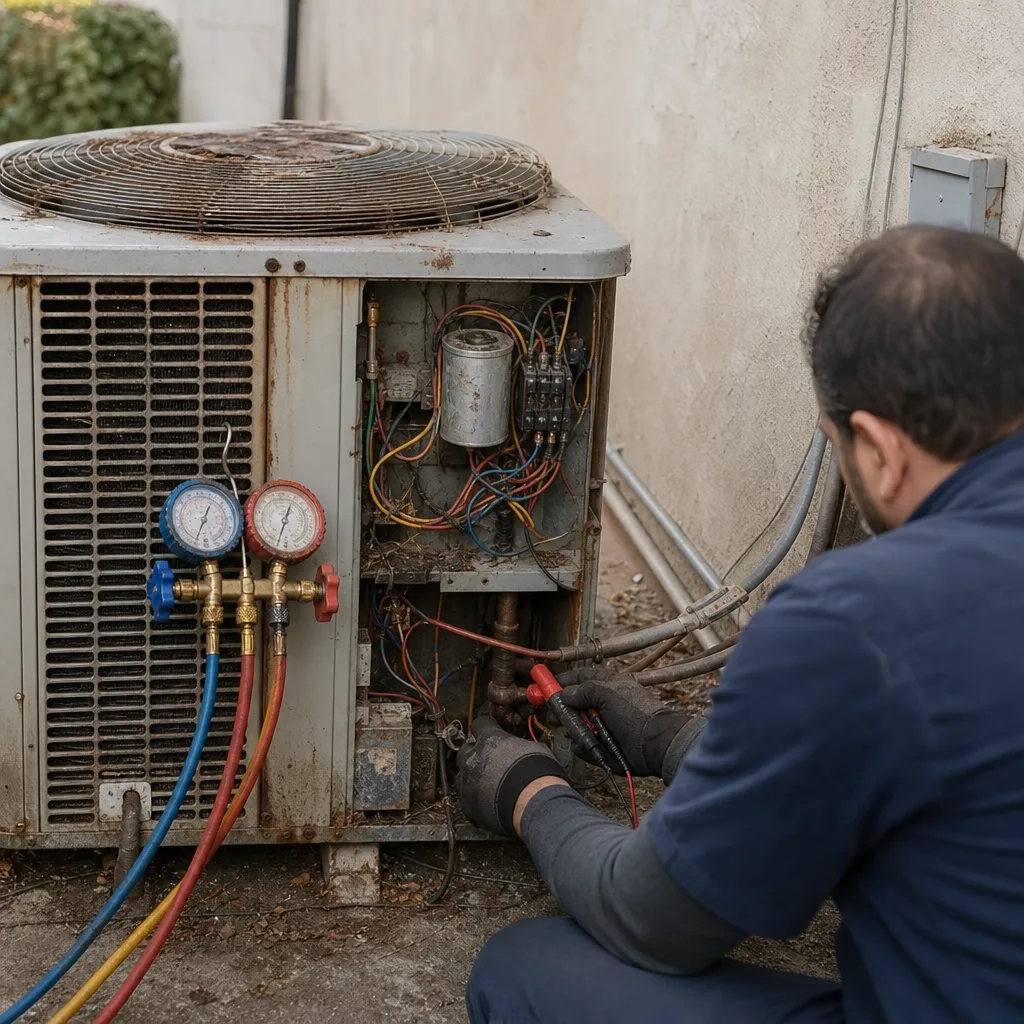 Before
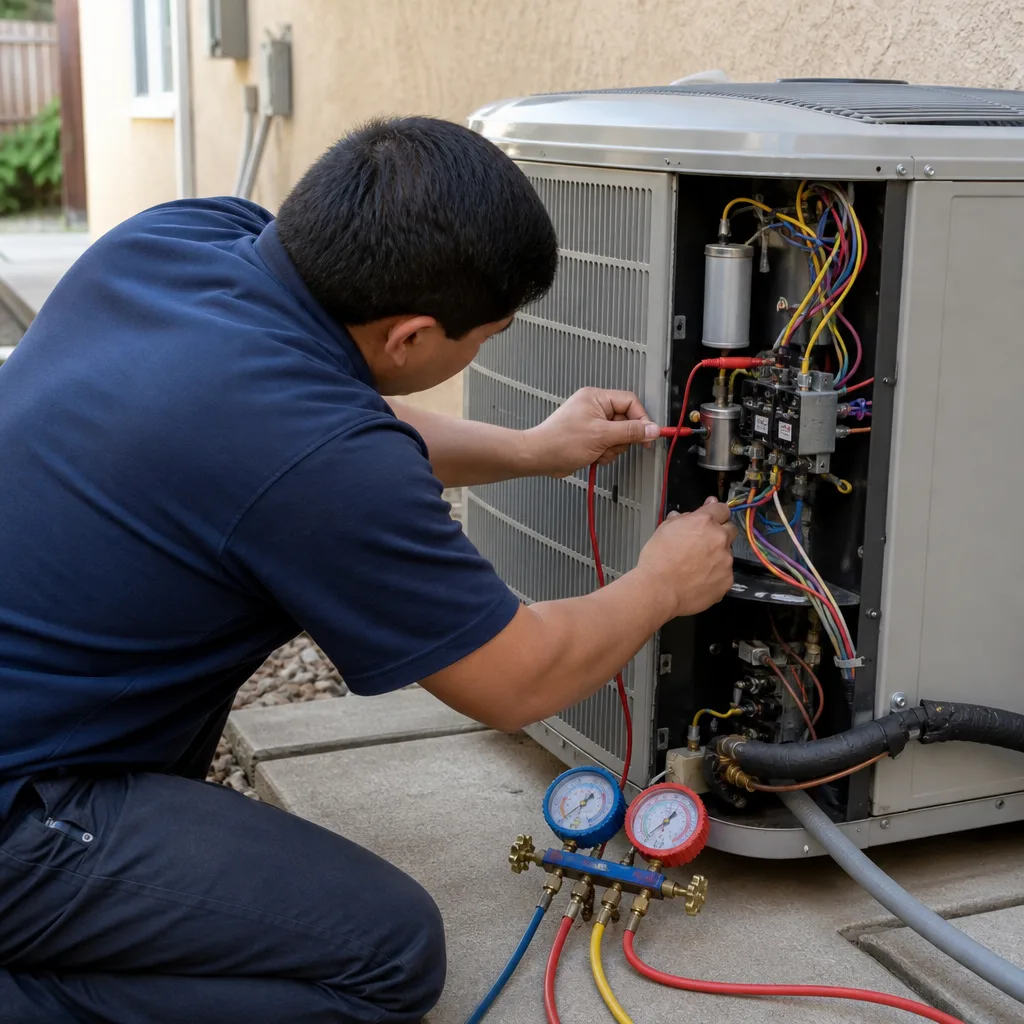 After
After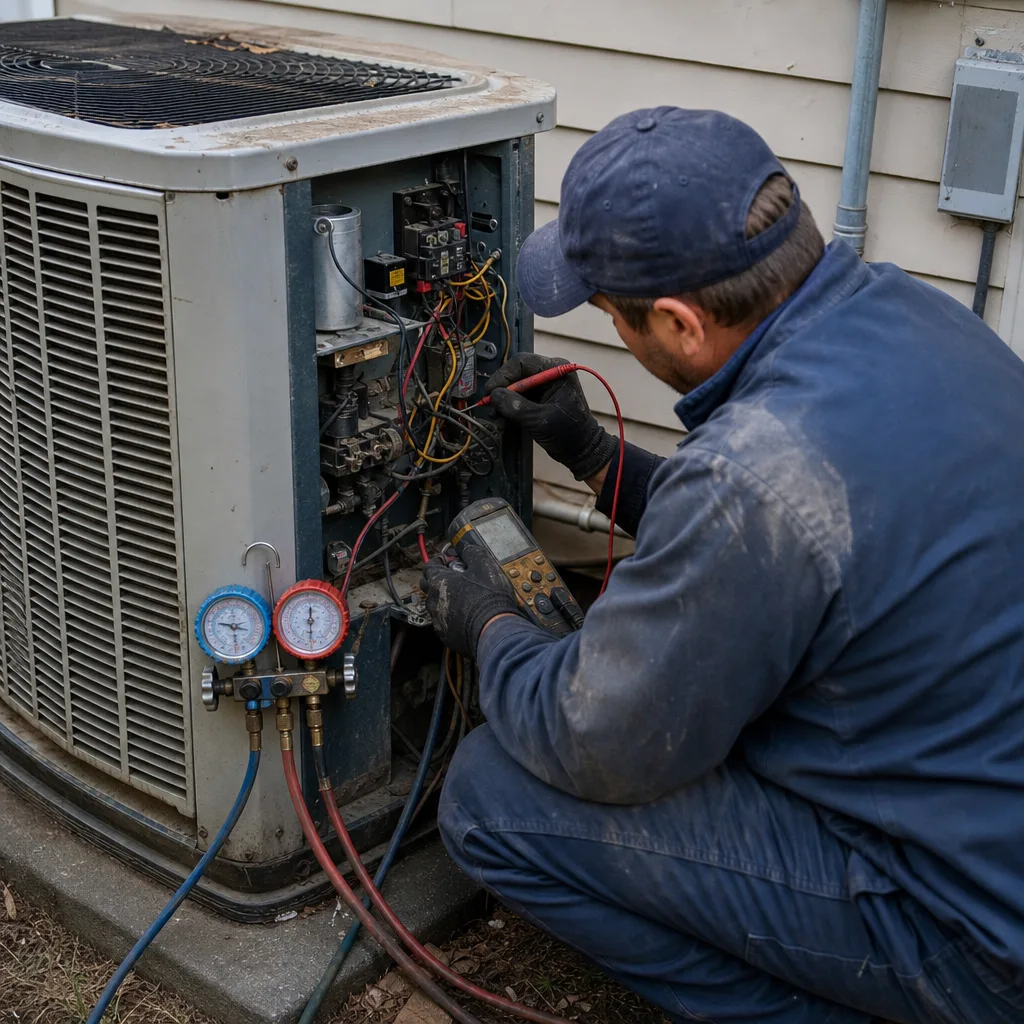 Before
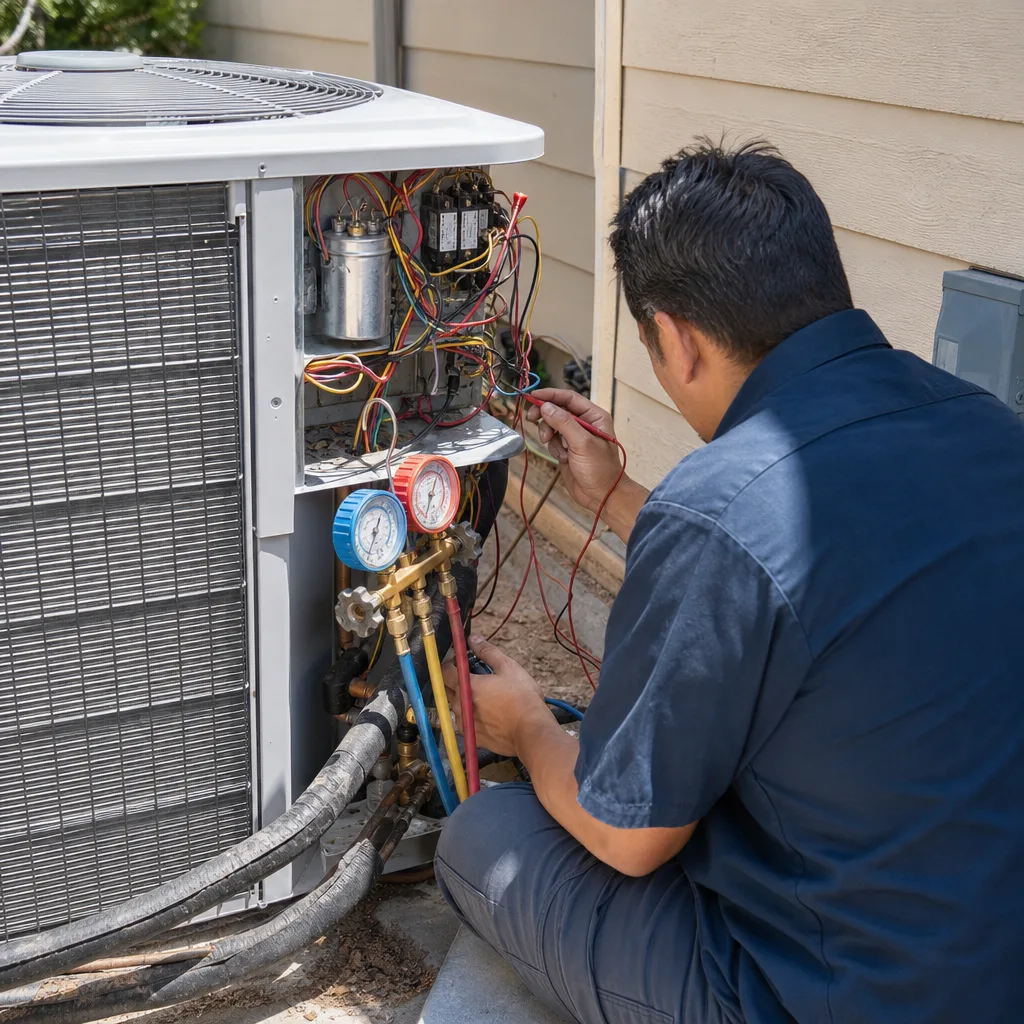 After
After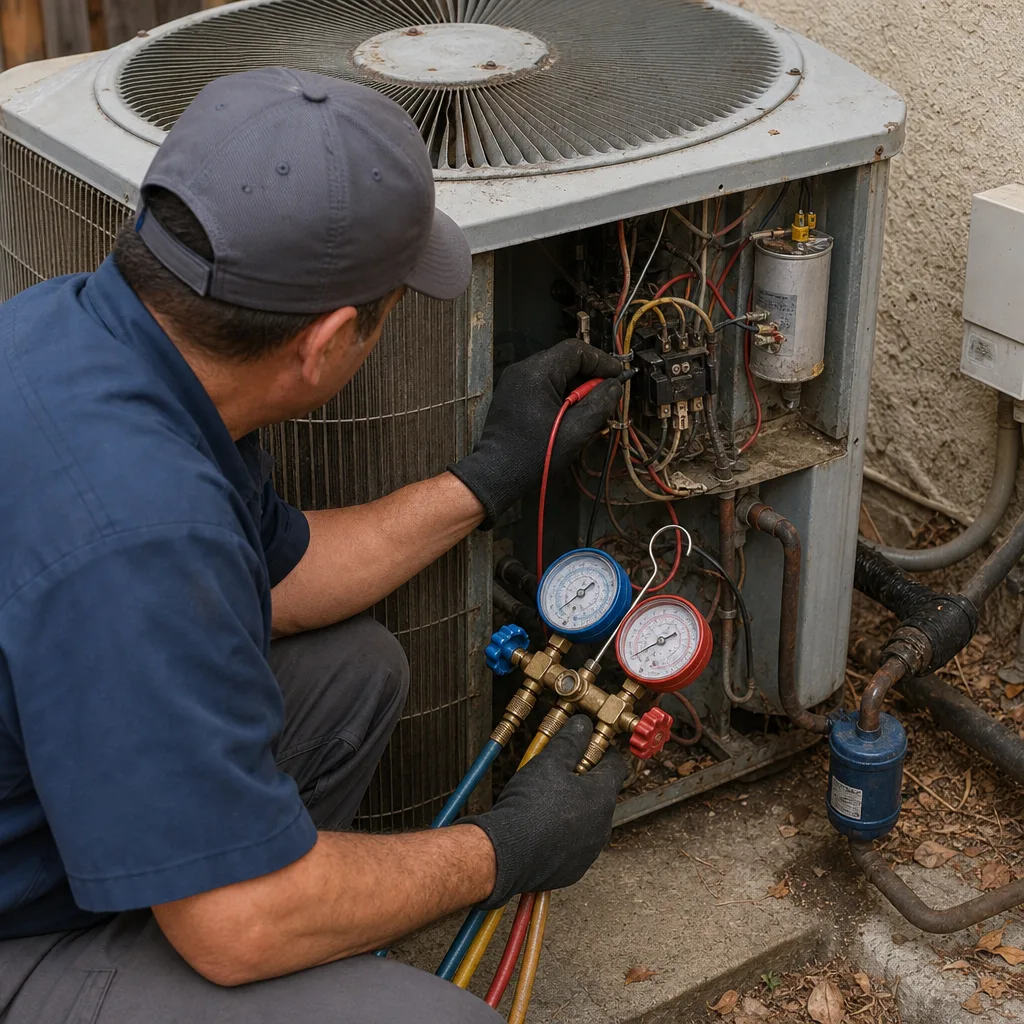 Before
 After
After