
 Furnace & heating
 AC repair
 Ductless mini splits
 Trane
TraneSeasonal tune-up and full diagnostic on your Carrier, Trane, or Goodman system - readings shown to you before any repair is proposed
Diagnosis first, numbers second - you approve the repair price before a single part goes in.
Get your free estimateBryant Furnace Repair in Pasadena: What to Know First
Independent Bryant furnace repair in Pasadena typically runs $150 – $700 depending on the failed part, and most jobs are completed same-day once diagnosed. We service every Bryant gas furnace line still found in local homes, from 1990s 383KAV models to current Evolution and Legacy systems. If your Bryant furnace is down, call (626) 657-5344 and a real person answers, day or night.
This page is for Pasadena homeowners who own a Bryant furnace and want straight answers about what breaks, what it costs, and who is showing up. We are Dalton Heating & Air Pasadena, a Garrison Partners company held to The Garrison Standard since 2003. Marco Benitez runs our crew, and every Bryant repair he quotes carries a written price before work starts and a written one-year guarantee when it is done.
We are an independent Bryant service provider. We are not affiliated with or authorized by Bryant. That independence means we answer to you, not to a manufacturer’s sales targets.
Key Takeaways
- Most Bryant furnace repairs in Pasadena cost $150 – $700; the most common failures are ignitors, gas valves, and draft inducer motors.
- We carry OEM Bryant parts and quality aftermarket alternatives; we tell you the difference and let you decide.
- Every repair includes a written price before work starts and a written 365-day guarantee after.
- We are factory-trained on Bryant plus eight other major brands, so diagnosis is faster and second-guessing is rare.
Styles & brands we work with
How Bryant Products Fail – and How We Fix Them
Bryant builds a solid furnace, but every brand has patterns. After years of running calls across Pasadena, here is what we see most often and what we do about it.
- Ignitor failure on mid-efficiency 80% furnaces. The silicon nitride ignitor on older Bryant 383KAV and 395CAV units gets brittle after 8 – 12 years. The furnace will try to light, you’ll hear the gas valve click, then nothing. We replace it with an OEM-spec ignitor, not a universal one filed down to fit. Universal ignitors work sometimes, then crack again in a year. If we are putting our name on a one-year guarantee, we use the right part.
- Draft inducer motor bearing squeal on 90%+ condensing models. Bryant 355CAV and current Evolution 987M furnaces pull combustion air through a small inducer motor that sits in a wet, acidic exhaust stream. The bearings dry out, and the unit sounds like a dentist’s drill before the motor seizes entirely. We replace the inducer assembly, verify the condensate drain is clear, and check the pressure switch at the same time – because on Bryant condensing units, a failing inducer often takes the pressure switch down with it.
- Limit switch tripping on Pasadena homes with undersized ducts. This one is more about the house than the furnace. In older Pasadena neighborhoods like Bungalow Heaven, original 1940s duct runs are often too small for the airflow a modern Bryant furnace demands. The high-limit switch trips, the burners cycle off mid-cycle, and the house never fully warms. We test static pressure and delta-T across the heat exchanger before condemning any part – sometimes the fix is a filter change and a blower speed adjustment, not a new component.
- Gas valve failure on mid-2010s Preferred series. Bryant 926T and 820T furnaces from roughly 2013 – 2018 have a known pattern with the two-stage gas valve: the low-fire solenoid sticks, so the furnace only runs on high fire. Your gas bill climbs, rooms overshoot the set temperature, and the furnace short-cycles. We replace the gas valve, verify manifold pressure with a digital manometer, and run a combustion analysis to confirm the air-fuel ratio is within Bryant spec.
- Heat exchanger cracking on units past year 15. Any furnace that old is a candidate, but Bryant’s clamshell heat exchangers on 1990s and early 2000s models are where we find the most failures in Pasadena. The crack usually starts along the crimp line on the burner-side cell. We inspect with a scope camera during every repair, and if we find a crack, we shut it down and walk you through your options – replace the heat exchanger under warranty if it is covered, or quote a new furnace if it is not.
Our Bryant Furnace Repair Process
When you call about a Bryant furnace that will not heat, here is how a typical job goes from the first ring to the final walkthrough.
- 1
You call (626) 657-5344. A live person answers, not a voicemail tree. We ask what the furnace is doing – or not doing – and schedule a window that works for you. If it is below 50 degrees inside your house, we treat it as a priority call.
- 2
Background-checked, uniformed technician arrives inside the window. You know who is coming before they knock. The tech confirms the call details and the by-the-book diagnostic fee before touching the furnace.
- 3
We diagnose the Bryant unit specifically. We pull the fault code from the control board, test the component that failed, and look at the failure pattern – not just the symptom. On a Bryant, that means checking the ignitor, flame sensor, gas valve, inducer, and limit circuit before quoting the fix.
- 4
You get the price in writing before any work starts. No revisions at the invoice stage. If there are parts options – OEM Bryant vs. quality aftermarket – we explain the difference in plain English and let you choose.
- 5
We do the repair, then test it properly. We do not just fire the furnace and leave. We verify manifold gas pressure, read the flame signal in microamps, check temperature rise across the heat exchanger, and run the furnace through three full cycles. If a combustion test is warranted, we do that too.
- 6
We clean up and hand you a written guarantee. The repair is covered in writing for a full year, and if the same repair fails in that window, we return at no charge. That is the 365-Day Done Right Promise, and it is not an upgrade – it is included on every call.
See the difference
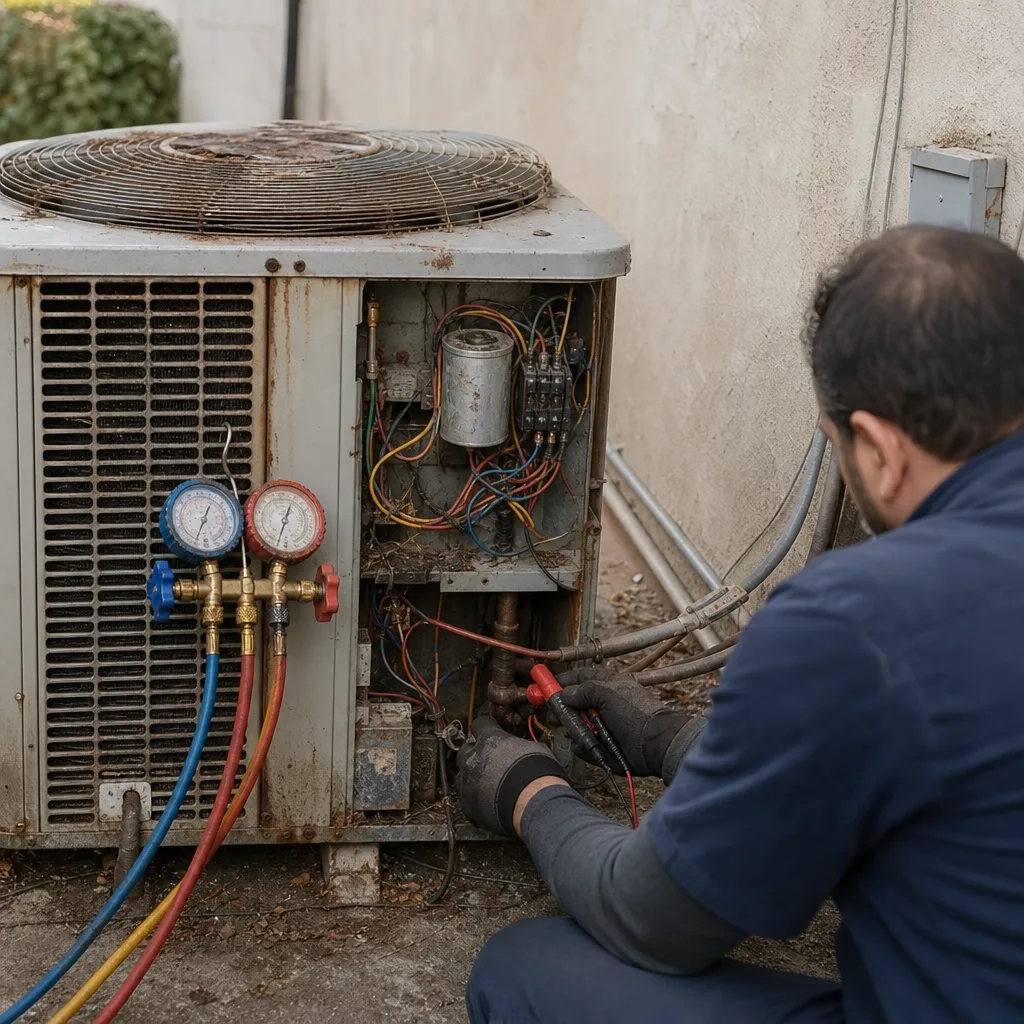 Before
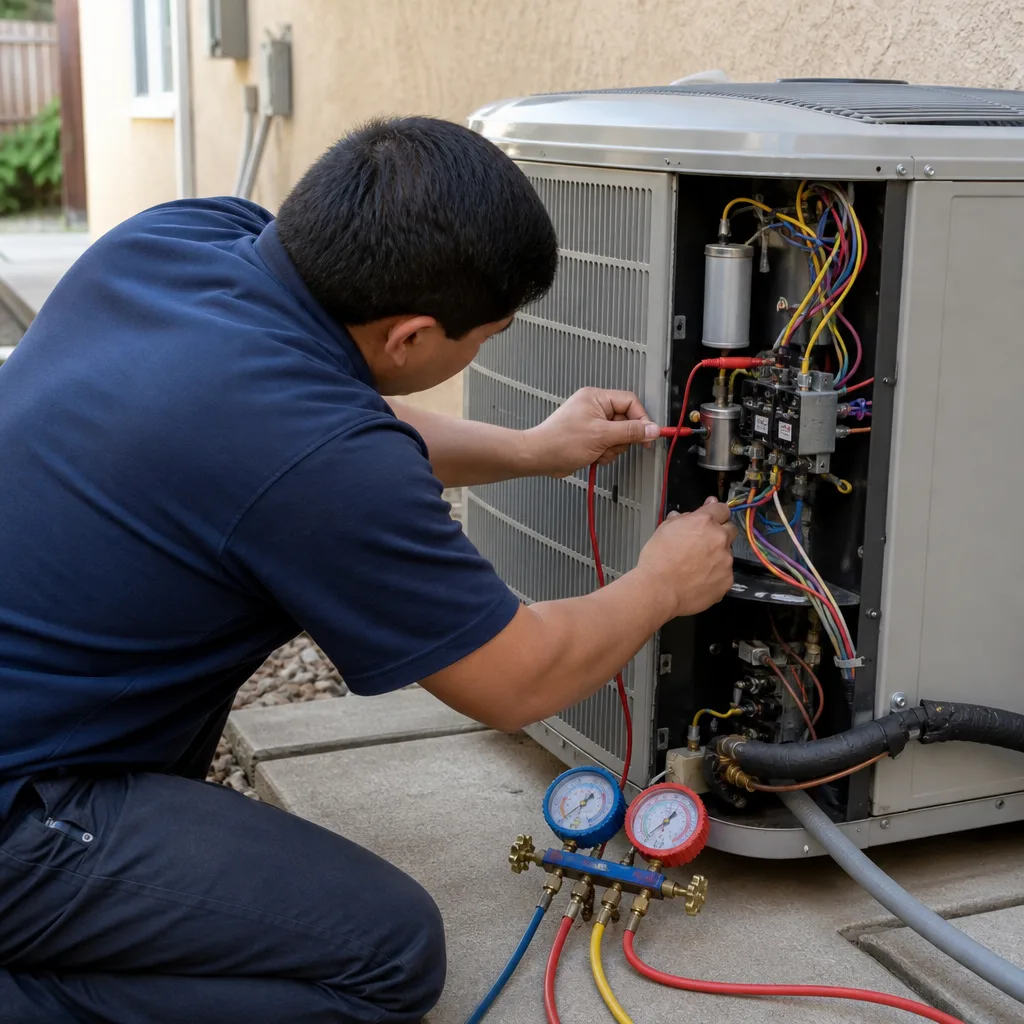 After
After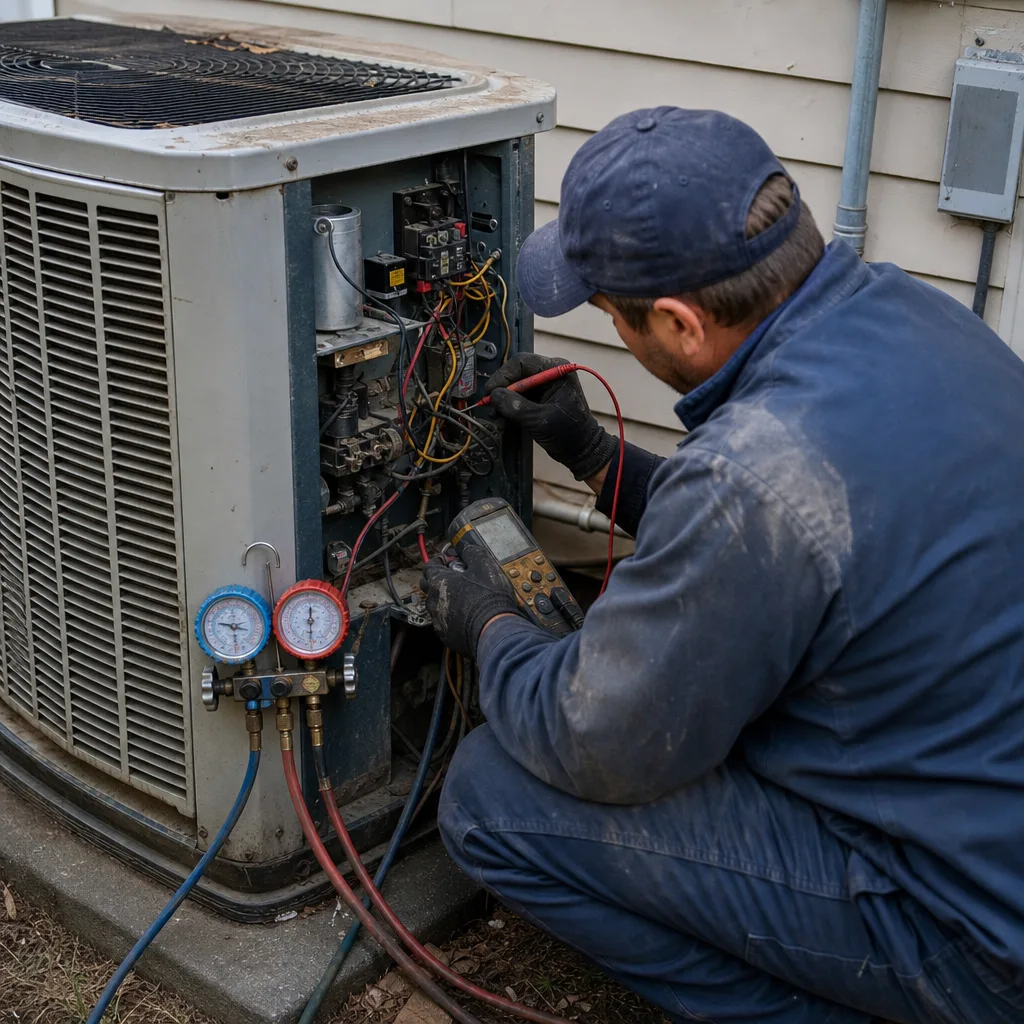 Before
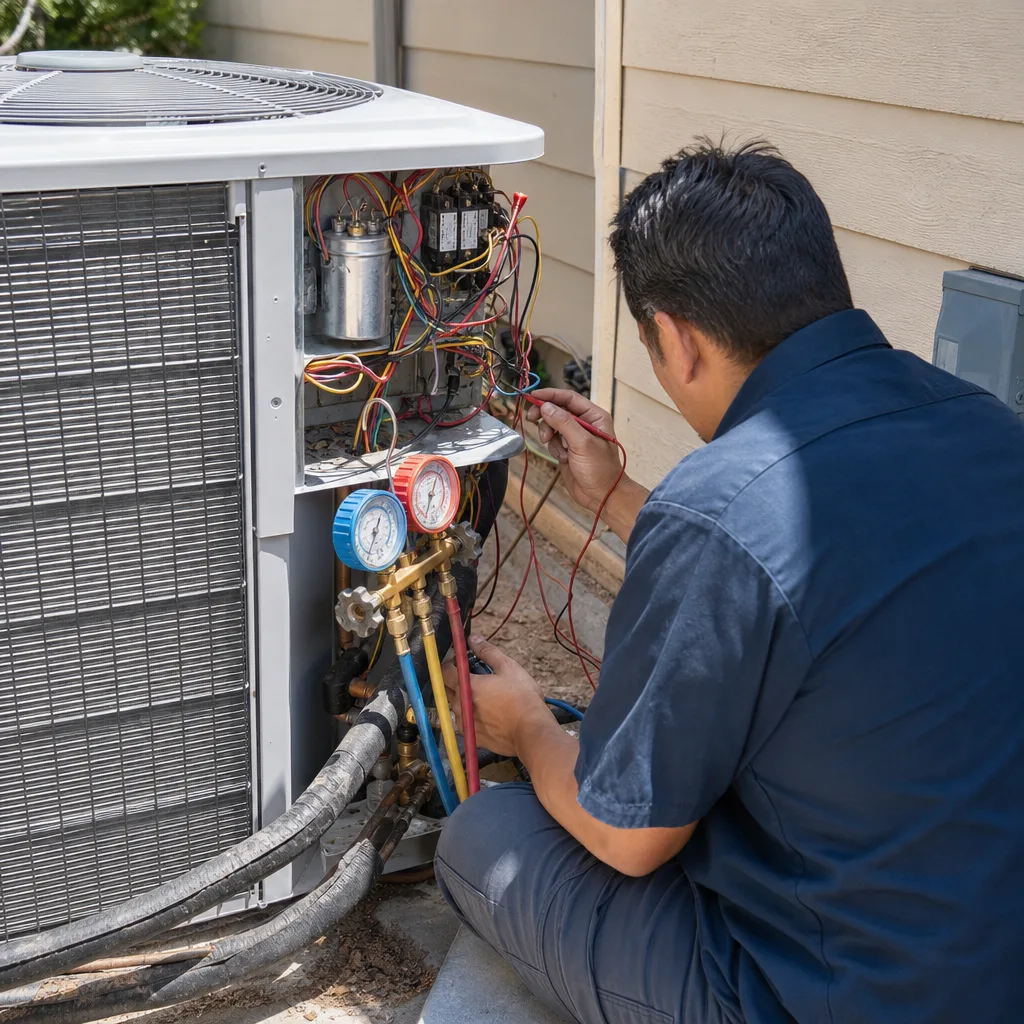 After
After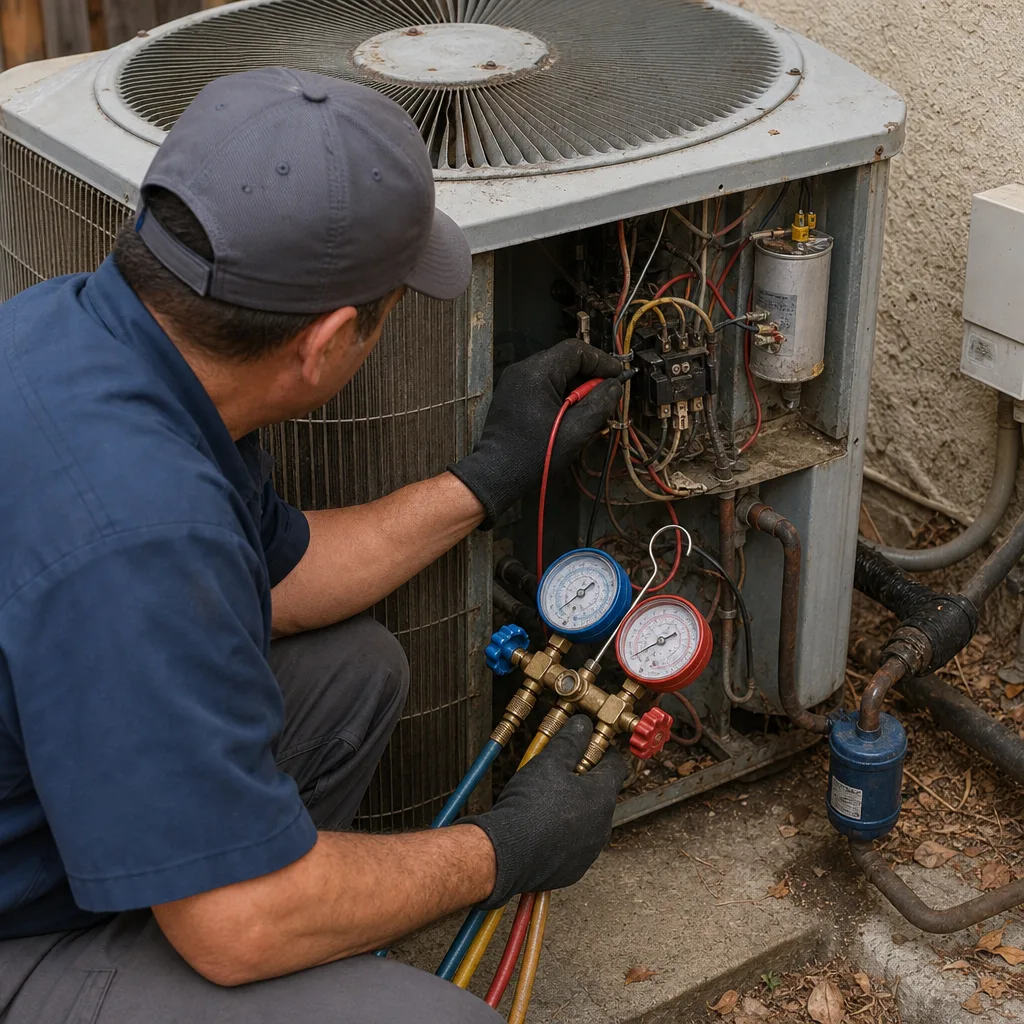 Before
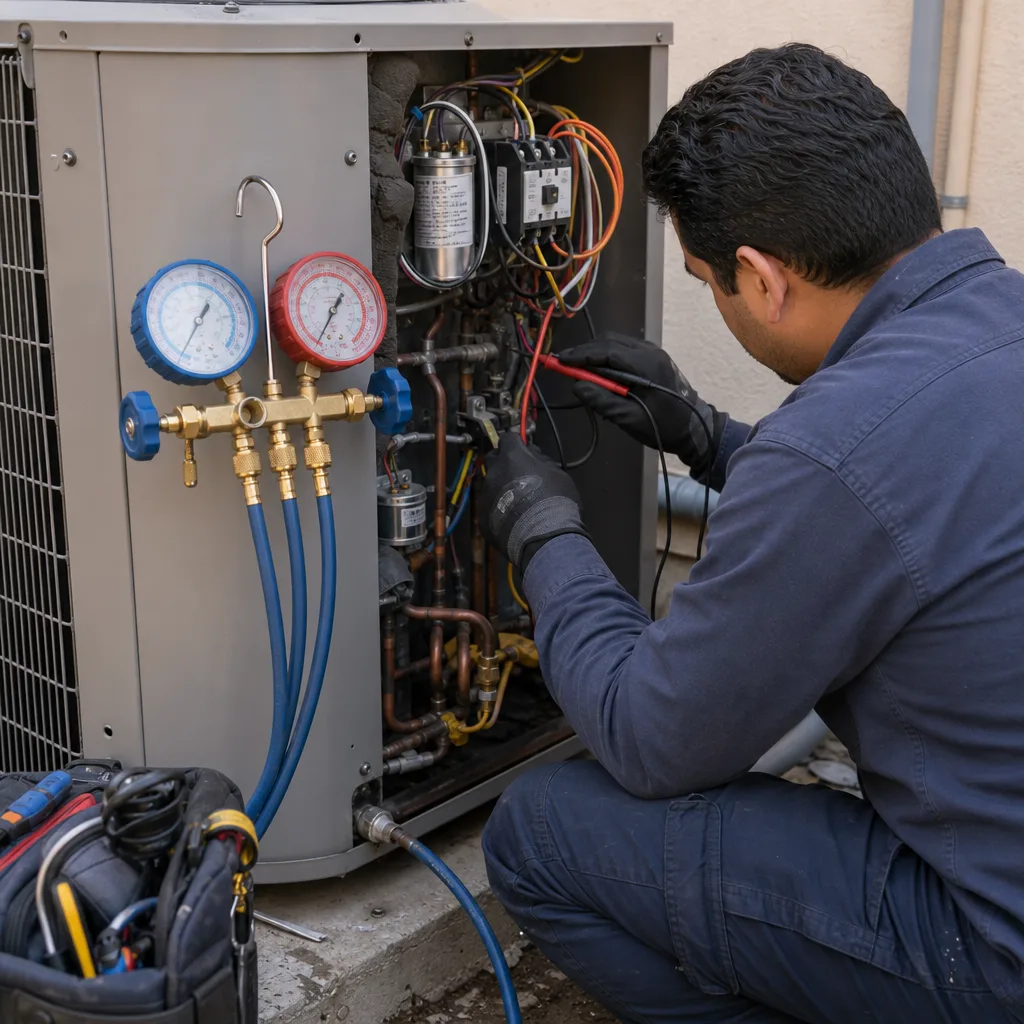 After
AfterWhat Bryant Furnace Repair Costs in Pasadena
Here is what we charge for the most common Bryant furnace repairs in Pasadena. These are flat, written prices – not estimates with a back door.
| Repair | Typical Cost |
|---|---|
| Ignitor replacement (OEM-spec) | $150 – $300 |
| Flame sensor cleaning or replacement | $110 – $220 |
| Gas valve replacement (single-stage or two-stage) | $300 – $650 |
| Draft inducer motor replacement | $350 – $700 |
| Blower motor replacement | $300 – $600 |
| Pressure switch replacement | $120 – $250 |
| Control board replacement | $300 – $600 |
| Heat exchanger inspection (with camera) | $90 – $180 |
What moves the price: the age of the furnace, whether the part is OEM or aftermarket, and how buried the component is (a blower motor in a tight attic takes longer than one in a garage). Your estimate is free, and we give it to you in writing before any repair begins. Call (626) 657-5344 for an exact quote on your Bryant furnace.
Why Pasadena Homeowners Call Dalton Heating & Air Pasadena for Bryant Work
We are not the only company in Pasadena that claims to fix Bryant furnaces. We are one of the few that puts every repair in writing before starting and stands behind it for a full year. The Garrison Standard has governed how we work since 2003: arrive inside the stated window, price in writing before touching the unit, do the job by the book, leave the site clean, and cover the work for 365 days. That standard is not a sales pitch – it is the operating agreement for every Dalton location.
Our techs are factory-trained on Bryant and eight other major residential brands, including Carrier, Trane, and Lennox. That cross-brand training matters when the diagnosis is not obvious or when a homeowner is weighing a Bryant repair against a system from a different manufacturer. We give you a straight answer, not a brand cheerleading session.
Marco Benitez grew up in East Los Angeles and trained in refrigeration and HVAC at Los Angeles Trade-Technical College. He has spent years reading Bryant fault codes in Pasadena homes, and he still quotes every job the same way he did on day one. You get the price in writing before we touch anything. That is not a policy – it is just how this should work.
FAQs
We use OEM Bryant parts whenever they are available and the right call for the furnace, especially on warranty-covered components. For out-of-warranty furnaces where an OEM part is backordered or priced far above a proven aftermarket equivalent, we offer both options with the price difference spelled out in writing, and you decide. Either way, the repair carries our full one-year written guarantee.
Yes. We handle warranty parts the same way we handle everything else: we confirm the part is covered, file the claim paperwork, and install the replacement by the book. You pay only for labor on warranty parts, and we give you the labor price in writing before starting. We are an independent Bryant service provider, so we do not have Bryant’s internal warranty system access, but we know how to work through the process without slowing down your repair.
Most non-emergency repairs can be scheduled within 24 to 48 hours. If your furnace is down and the house is below 50 degrees, we treat it as an urgent call and move your appointment to the front of the line. Live phone support is staffed 24/7 – call (626) 657-5344 any hour and a real person will pick up.
The short rule: if the repair costs under half the price of a new furnace and the unit is under 15 years old, repair it. If the heat exchanger is cracked, the unit is past year 15, or you are looking at a repair over $700 on a furnace that has already needed work twice in the last two years, replacement starts to make more sense. We give you both numbers in writing and let you make the call. We are not paid to sell furnaces – we are paid to fix them right.
No. We do not charge overtime rates, weekend surcharges, or after-hours fees. The price we quote is the price you pay, whether it is 2 p.m. on a Wednesday or 2 a.m. on a Sunday. That is part of The Garrison Code.
Written by Marco Benitez, Owner & Lead HVAC Technician, Dalton Heating & Air Pasadena at Dalton Heating & Air Pasadena, serving Pasadena and nearby areas.