
Last updated October 16, 2026
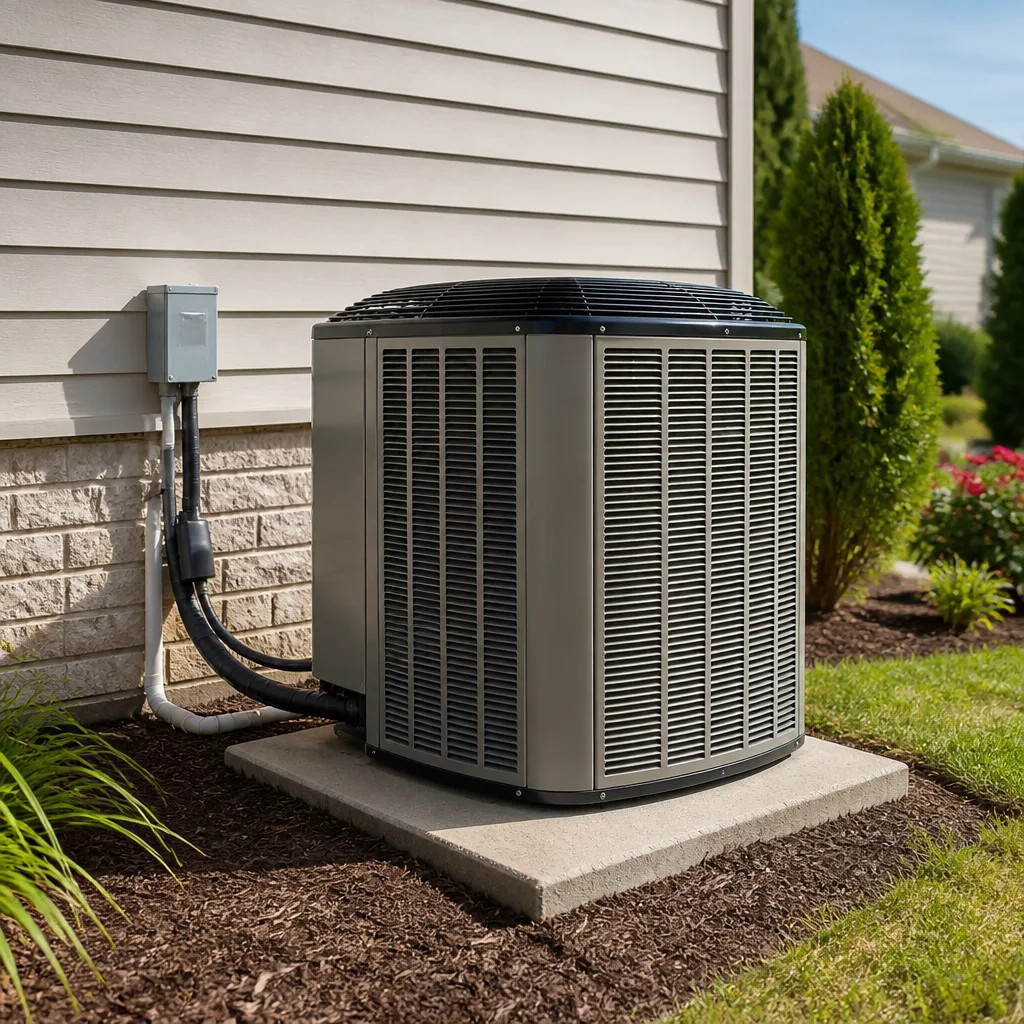 AC repair
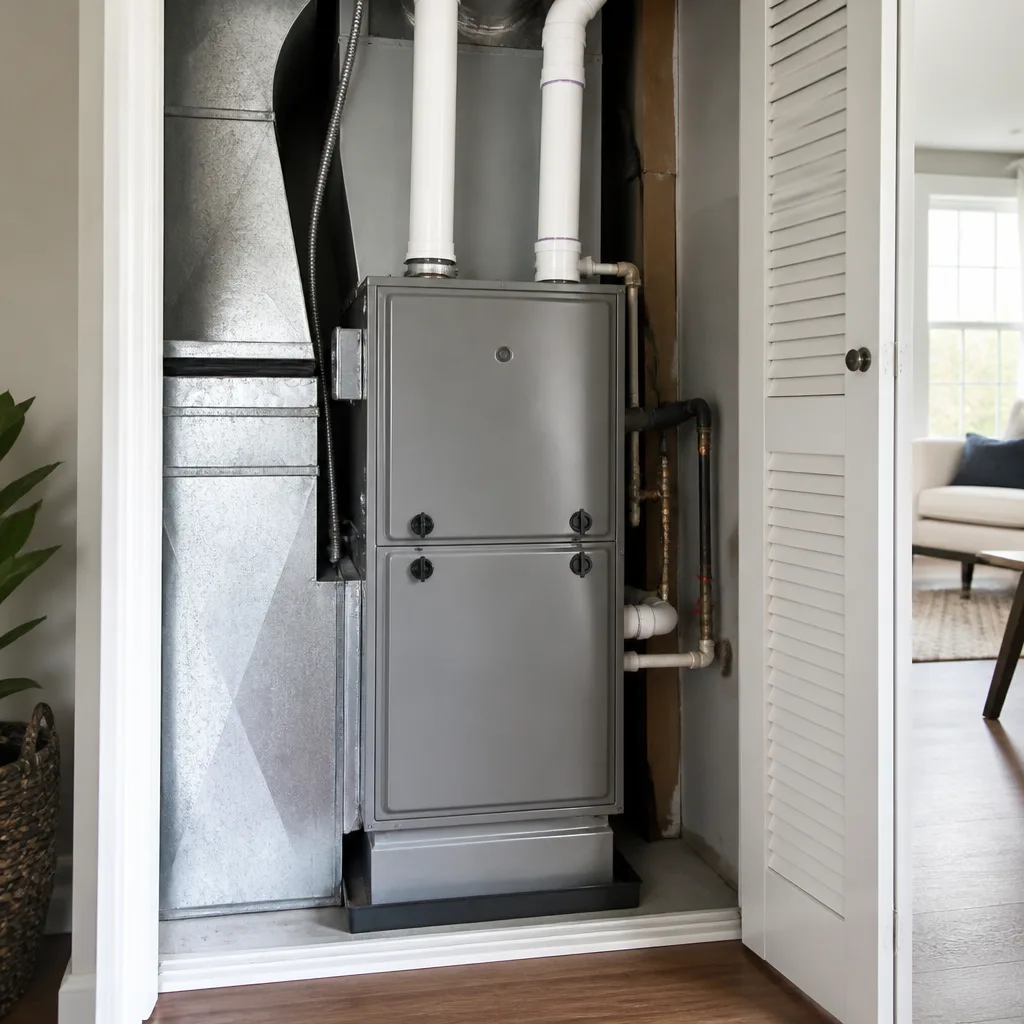 Furnace & heating
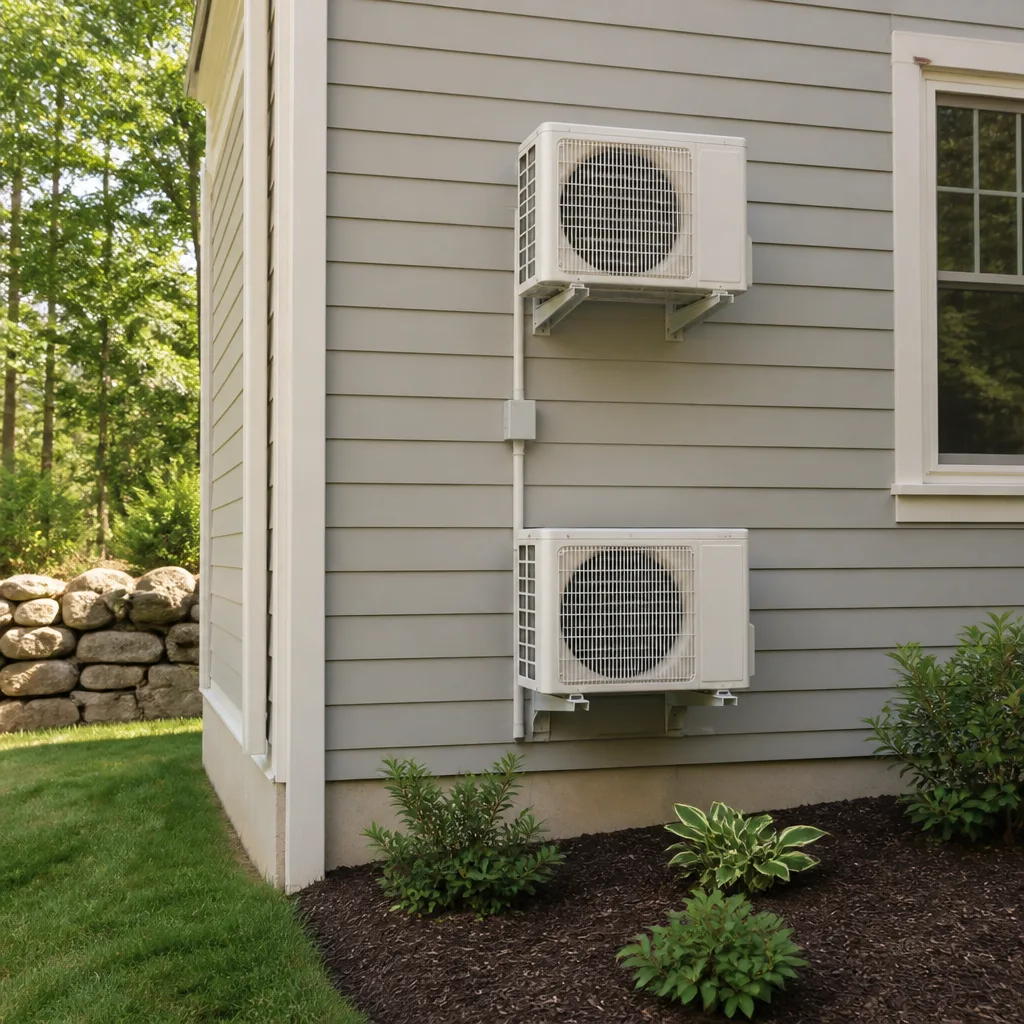 Ductless mini splits
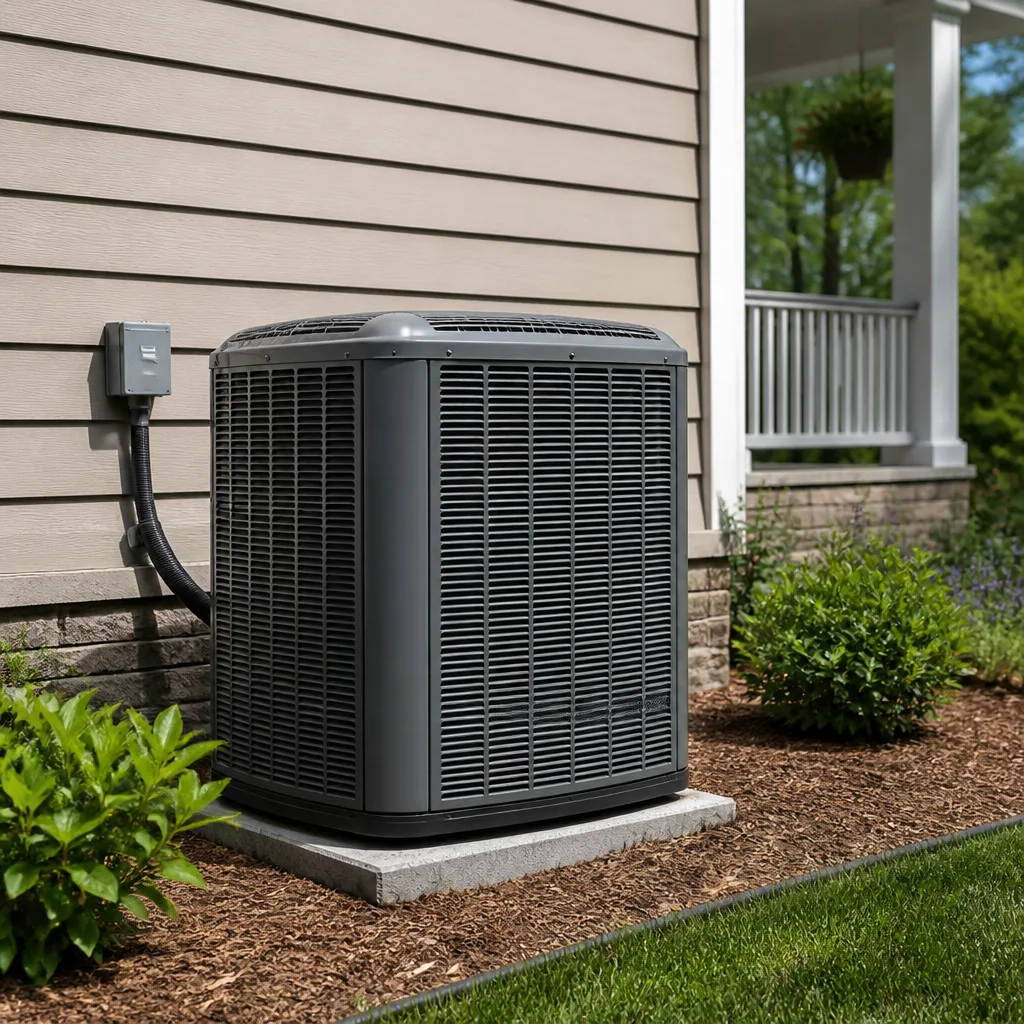 Trane
TraneSeasonal tune-up and full diagnostic on your Carrier, Trane, or Goodman system - readings shown to you before any repair is proposed
Diagnosis first, numbers second - you approve the repair price before a single part goes in.
Get your free estimateDIY vs Professional HVAC: The Pasadena Homeowner’s Decision Guide
Handling refrigerant without an EPA Section 608 certification carries fines up to $44,539 per day, per violation. That single fact makes a large portion of the DIY AC repair content on YouTube technically illegal for the person watching it to replicate in their own driveway. This guide draws the line between what Pasadena homeowners can legally and practically do themselves and which jobs belong in the hands of a licensed contractor. You’ll get the exact legal boundaries, the warranty math, and a breakeven analysis on one common repair that will change how you think about do-it-yourself HVAC work.
Quick Answer
Most Pasadena homeowners should handle filter changes, thermostat swaps, condensate line clearing, and coil rinses themselves, but leave refrigerant handling, gas line work, and any repair requiring a permit to a licensed HVAC contractor-see our guide on How to Hire a HVAC Contractor in Pasadena: A Step-by-Step Guide for help choosing the right pro. The financial case for DIY collapses quickly once federal fines, manufacturer warranty voiding, and the cost of specialized tools are factored in. The only repairs where DIY consistently makes sense are those under $100 in parts with zero safety exposure and zero regulatory hurdles.
Styles & brands we work with
Table of Contents
- The Legal Boundary: What California and Federal Law Actually Reserve for Contractors
- Warranty Survival: How One DIY Repair Can Erase 10 Years of Coverage
- Five DIY Tasks That Actually Save Money Without Legal or Warranty Risk
- Pulling Your Own Permit in Pasadena: The Inspection Reality
- The Capacitor Breakeven: When DIY Makes Financial Sense
- Hidden Costs of DIY: Tools, Time, and the Second-Trip Problem
- Pasadena Climate: Why Your HVAC Timeline Is Different Here
- Common Mistakes to Avoid
- When to Call a Professional
- Frequently Asked Questions
The Legal Boundary: What California and Federal Law Actually Reserve for Contractors
The DIY-versus-professional decision in Pasadena is not primarily about skill. It’s about statutory boundaries that apply to every homeowner in California regardless of how competent you are with a multimeter. Federal law under Section 608 of the Clean Air Act makes it illegal for anyone without EPA certification to handle refrigerant in any capacity, including adding refrigerant to a system, recovering it, or even connecting a gauge set to check pressures. The fine structure starts at $44,539 per day, per violation. That’s not a worst-case scenario number; it’s the statutory maximum the EPA publishes and enforces.
California layers additional restrictions on top of federal law. The California Contractors State License Board requires any work valued at $500 or more in combined labor and materials to be performed by a licensed contractor. The threshold matters because HVAC repairs rarely stay under it once you factor in the diagnosis time, the part itself, and the labor to install it. Even below $500, any task that touches a gas line, a refrigerant circuit, or a permitted electrical connection falls under the same licensing requirement.
Here’s the boundary line in practical terms:
- Tasks homeowners can legally do: replace air filters, swap a thermostat with an existing wire setup, clear a condensate drain line, rinse outdoor condenser fins with water, tighten visible electrical connections inside the disconnect box, and keep the area around the outdoor unit clear of debris. None of these require permits, certification, or licensed contracting.
- Tasks reserved for licensed contractors: anything involving refrigerant (recharge, leak repair, recovery, even pressure testing), any gas line connection or modification, any electrical work beyond the disconnect switch, any duct modification that affects airflow balancing, and any repair that requires opening the sealed refrigeration circuit. In Pasadena, these jobs require a licensed contractor, and most require a permit filed with the city’s Building and Safety Division.
- Tasks that fall in a gray zone: capacitor replacement, contactor replacement, and fan motor swaps are technically electrical work but don’t require opening the refrigerant circuit. Homeowners can legally do these if the total value stays under $500 and no permit is triggered. Whether you should is a separate question, which we’ll get to in the capacitor section below.
We’ve seen Pasadena homeowners get surprised by the $500 threshold because they assume it applies only to what they pay someone else. It applies to the fair market value of the work whether you do it yourself or hire it out. If a repair would plausibly cost $600 from a contractor, that same repair is technically above the legal DIY threshold even when you’re doing it for the cost of parts. Most HVAC contractors, ourselves included, don’t advocate enforcing this against individual homeowners. But insurance companies do enforce it when they’re looking for a reason to deny a claim.
Warranty Survival: How One DIY Repair Can Erase 10 Years of Coverage
The legal exposure of HVAC DIY gets most of the attention. The warranty exposure is quieter and often more expensive. Here’s how it plays out on a common configuration in Pasadena homes.
Take a Carrier or Lennox heat pump installed in 2021. The compressor carries a 10-year manufacturer warranty. That’s a $2,800 to $4,500 part depending on the model and tonnage, not counting labor to install it, which typically runs another $1,200 to $1,800. That warranty has a condition buried in the fine print: it remains valid only if the system is installed and serviced by a licensed contractor using approved procedures. When a homeowner replaces the capacitor themselves and accidentally miswires it, or installs the wrong microfarad rating, or simply opens the service panel in a way that suggests non-professional work, the manufacturer has a documented reason to deny a future compressor claim.
The sequence matters. You saved $180 by replacing the capacitor yourself. Three years later the compressor fails. The manufacturer’s field representative suspects DIY work, and the serial-numbered service history shows no licensed contractor has touched the system since installation. The compressor claim is denied. You’re now paying $4,000 to $6,300 out of pocket for a part that was covered on paper as recently as last week. The capacitor replacement didn’t cause the compressor failure, but that’s irrelevant to the warranty determination.
This is not a hypothetical edge case. We’ve been servicing systems in Pasadena since 2003, and we see denied warrantor claims on DIY-touched equipment more often than most homeowners would believe. Manufacturers are not being capricious; they’re enforcing the terms that keep their warranty liability manageable. The moment a non-licensed person opens the service panel and modifies anything, the warranty’s enforcement burden shifts to the homeowner, and that’s a fight you’re unlikely to win.
The math on a generator of repairs holds up the same way. A $15 part swapped correctly under warranty preserves a $4,000 future claim. A $15 part swapped incorrectly voids it. The expected value of professional service on warrantied equipment is positive for anyone whose compressor, heat exchanger, or coil is still under coverage.
Five DIY Tasks That Actually Save Money Without Legal or Warranty Risk
Not every DIY HVAC impulse is a trap. There are five tasks every Pasadena homeowner should do themselves because they’re safe, legal, beneficial to the equipment, and don’t jeopardize any warranty coverage. Each one takes less than an hour and requires tools you probably already own or can buy for under $30 total.
- Air filter replacement. This is the single most impactful maintenance task in your control. In Pasadena, where summer temperatures regularly exceed 90 degrees from June through September, a clogged filter forces your system to work against higher static pressure, which raises energy consumption by 5 to 15 percent. Replace 1-inch filters every 30 to 60 days during cooling season, and every 60 to 90 days in winter. Write the installation date on the filter frame with a marker. Tools needed: none.
- Thermostat swap. If you’re replacing an existing thermostat and the new one uses the same wire configuration, this is a legitimate DIY job. Kill the power at the breaker first, photograph the existing wiring before you disconnect anything, and match each wire to the same terminal on the new unit. This saves the $150 to $400 a contractor charges for a straightforward swap. The moment you need to pull new wire, fish cable through a wall, or relocate the thermostat entirely, that’s a licensed electrician’s or HVAC contractor’s job.
- Condensate line clearing. A clogged condensate drain is one of the most common calls we get in Pasadena between May and October. Most clogs start in the first six inches of the drain line where it leaves the indoor unit. You can clear them with a wet/dry vacuum applied to the drain opening, followed by pouring a cup of white vinegar through the line to break down residual accumulation. Do this every spring before cooling season starts. If the line drains to a floor sink, you can run a stiff wire through visible sections. Tools needed: wet/dry vac, vinegar.
- Outdoor coil rinse. Pasadena’s air carries a mix of dust from the San Gabriel foothills and pollen from the city’s mature tree canopy, both of which collect on condenser coils. A dirty coil reduces heat exchange efficiency and forces the compressor to run hotter. Rinse the coil with a garden hose set to moderate pressure, spraying from the inside out, twice a year. Kill the power at the disconnect first. Never use a pressure washer, which will bend the aluminum fins. Tools needed: garden hose.
- Disconnect box tightening. The electrical disconnect next to your outdoor unit is where loose connections develop over time from vibration and thermal cycling. With the breaker off and the disconnect pulled, you can check the lugs for tightness using a properly rated screwdriver. This is simple, low-risk maintenance that prevents the kind of loose connection that eventually burns a terminal. This is the only electrical task on this list; it stops at the disconnect box. Anything past the disconnect is a licensed contractor’s domain.
None of these tasks void a manufacturer warranty. None require a permit. None expose you to high voltage, refrigerant, or gas. The money saved is real but modest, maybe $150 to $500 a year depending on what you were paying for routine maintenance visits. The more valuable outcome is that you learn the baseline of your system, which makes you a more informed customer when you do need professional help.
Pulling Your Own Permit in Pasadena: The Inspection Reality
Pasadena’s Building and Safety Division allows homeowners to act as owner-builders and pull permits for work on their own residence-see HVAC Permits, Codes & Inspections in CA: What You Need to Know for the full regulatory picture. That’s true on paper. In practice, pulling your own HVAC permit for anything beyond a like-for-like equipment change creates a set of problems most homeowners don’t anticipate.
The first problem is that the permit triggers the same inspection a licensed contractor would face. You’re not getting a relaxed standard because you’re a homeowner. The inspector will check the installation against the current California Mechanical Code, the current Title 24 energy requirements, and the manufacturer’s installation instructions. If any gap exists, the permit is failed and you’re correcting it on your own time. A contractor has done these corrections dozens of times; you’re doing them once with no reference experience.
The second problem is that a homeowner permit for HVAC work requires you to demonstrate that the work was done correctly in ways you can’t fake. For an equipment replacement, the inspector checks refrigerant charge paperwork if the system ships dry, which means you need an EPA-certified tech anyway. For duct modification, the inspector checks static pressure and airflow measurements. For gas furnace replacement, the inspector checks combustion and gas pressure readings that require trade instrumentation. You can’t inspect a gas manifold pressure setting without a manometer, and you can’t justify a refrigerant charge without a certified individual on site.
The third problem is the long-term paperwork. When you sell a home in Pasadena, the buyer’s home inspector will call out unpermitted work. If your HVAC equipment replacement was pulled as an owner-builder permit and failed an inspection you never got around to correcting, that open permit becomes a title complication. Contractors close their permits. Homeowners often don’t. We’ve walked into Pasadena homes where open permits from the 1990s still sit unresolved because the previous owner pulled one, got frustrated, and moved on.
The owner-builder route makes sense for simple jobs like replacing a water heater. It rarely makes sense for unconditioned-space HVAC work because the systems are interconnected. When we install systems in Pasadena, we pull the permit, schedule the inspection, meet the inspector on site, and close everything out. That process is part of what a licensed contractor does, and it’s part of the price.
The Capacitor Breakeven: When DIY Makes Financial Sense
The capacitor is the most commonly DIY’d HVAC repair because it’s cheap, visually identifiable, and covered by thousands of YouTube tutorials. A dual-run capacitor for a typical Pasadena residential condenser costs $18 to $45 at a local supply house. A professional capacitor replacement from a flat-rate contractor runs $180 to $320 in the Pasadena market, diagnosis included-see our HVAC Cost Breakdown: The Pasadena Homeowner’s Reference for 2026 for typical pricing across common repairs. On the surface, that’s a clean $135 to $275 savings for 20 minutes of work.
The breakeven shifts when you add the hidden costs. A proper capacitor replacement requires a multimeter that measures microfarads, which costs $20 to $50 if you don’t already own one. You need to safely discharge the old capacitor before handling it; a capacitor discharge tool costs $12 to $25. You need to confirm the new capacitor’s microfarad rating matches the old one, and you need to identify whether the capacitor sits in the compressor circuit or the fan circuit because miswiring a dual-run capacitor will run one component at the wrong voltage and burn it out. If you get the wiring wrong, you’re not out $45; you’re out a compressor or a fan motor.
We’ve been called to Pasadena homes where a homeowner replaced a capacitor, wired the fan leg to the compressor leg, and the compressor failed within a week. The part was $22. The resulting compressor replacement was $5,400. The warranty on that compressor had been voided by the DIY capacitor replacement, which made the entire amount the homeowner’s responsibility. That single incident erased every dollar of DIY savings the homeowner had accumulated over a decade.
The break-even calculation has a clear rule of thumb. If your equipment is more than five years old and out of warranty, and you own a multimeter, and you’re willing to study the wiring diagram carefully, a capacitor replacement can save you a couple hundred dollars. If your equipment is under warranty, or you’re uncertain about reading a wiring diagram, or the capacitor in question is wired into a system you can’t trace confidently, the $180 to $320 professional charge is the cheaper option by a wide margin. The professional price includes the diagnosis, the part, the installation, and the written guarantee that covers the repair for a full year. The DIY price includes the part and the risk.
Hidden Costs of DIY: Tools, Time, and the Second-Trip Problem
Most DIY cost comparisons only count the part. They ignore the tools, the time, and the cost of getting it wrong. A realistic accounting changes the picture significantly.
Tool acquisition is a real line item on your first several HVAC repairs. A multimeter with capacitance testing runs $20 to $80. A manifold gauge set, which you should never use unless EPA-certified, runs $80 to $200 if you buy one anyway. A refrigerant leak detector starts at $150. A vacuum pump starts around $150. A recovery machine starts around $600. You can see where this is going. By the time you’ve assembled a basic HVAC diagnosis toolkit, you’ve spent $500 to $1,000. That’s the cost of several professional service visits in Pasadena, and you still don’t have the certification to use half of it.
Time is the second hidden cost, and it’s the one homeowners most consistently underestimate. A professional technician diagnoses a capacitor failure in 10 minutes because they’ve seen it hundreds of times. A first-time DIYer spends two to three hours watching videos, reading forums, troubleshooting with a multimeter, driving to a supply house, and second-guessing the diagnosis. If your time has any value at all, and Pasadena homeowners’ time tends to be quite valuable, you’ve spent $200 to $600 of your own time to save $250 on a repair.
The second-trip problem is the third hidden cost and the most expensive one. When a professional repair fails, the contractor returns at no charge under the guarantee. We do this as a standing term of our work: every repair carries a written guarantee for a full year, and if the repair fails in that window, we come back without charging a second service fee. When a DIY repair fails, you’re starting over from zero. You buy the part again, you spend the time again, and if the second attempt also fails, you eventually call a contractor anyway. The DIY route has no guarantee anywhere in the chain.
What we’ve learned from thousands of service calls in Pasadena is that DIY HVAC failures share a signature. The homeowner replaced a part on suspicion, the system still doesn’t work, and now there are two problems: the original fault and whatever the DIY attempt introduced. The professional diagnosis often takes longer and costs more because we’re un-doing work before we can do work. The cheapest repair is the one done correctly the first time.
Pasadena Climate: Why Your HVAC Timeline Is Different Here
Pasadena’s climate shapes the DIY decision in ways that don’t apply to Kansas City or Columbus. The city sits in a Mediterranean climate with hot, dry summers and mild, occasionally wet winters. Cooling is the dominant load; heating is secondary for most single-family homes. Summer highs routinely exceed 95 degrees from July through September, and the hottest stretches can push past 105 in areas like the San Gabriel Valley floor and the neighborhoods along the 210 corridor.
The peak cooling season in Pasadena is the worst possible time to discover a DIY mistake. If you park a capacitor replacement on a Saturday afternoon in August and wire it wrong, you don’t have a broken air conditioner for a weekend. You have a failed cooling system in a climate where interior temperatures climb past 90 degrees within hours and won’t recover until a professional can get to you. We get the highest volume of emergency repair calls in Pasadena during heat events, and a meaningful share of those calls begin with a DIY attempt that made things worse.
Every HVAC company in Pasadena is also fully booked during peak cooling events. A failed DIY attempt on a 104-degree day doesn’t just mean waiting for parts; it means waiting for an available technician who is already running back-to-back emergency calls. The timeline you spend waiting is a timeline you could have avoided by making the professional call first.
One climate-specific note for Pasadena homeowners: the dry heat masks some problems that would be obvious elsewhere. A system that’s slightly undercharged may cool acceptably when the air is dry, because evaporative pressure and temperature have a wider tolerance. The same system fails in humid conditions when the coil can’t keep up with latent load. If your only reference point for system performance is a Pasadena summer, you may not notice a slow refrigerant leak until it’s severe. This is another reason professional seasonal checkups matter here: the tools detect what the climate conceals.
Common Mistakes to Avoid
- Buying refrigerant online without certification. There’s a gray market for R-410A and R-22 in small cylinders. Even owning it without a Section 608 certification carries exposure, and connecting it to your system compounds the violation. This is the single fastest way to incur federal penalties in the HVAC world.
- Watching a YouTube tutorial and skipping the year your unit was manufactured. The capacitor wiring on a 2012 Goodman is not necessarily the same as the capacitor wiring on a 2023 Rheem. Model-specific wiring diagrams live behind the service panel for a reason.
- Running a system with a suspected refrigerant leak while waiting to decide whether to fix it. In Pasadena’s summer heat, a low-charge system runs the compressor harder and hotter, which accelerates the failure. The repair cost grows with every week of delay.
- Assuming your home warranty will cover a DIY-related failure. Most home warranty policies contain explicit exclusions for damage caused by unauthorized work. The claim gets denied, and you’re left holding the full repair cost.
- Pulling points off the low-voltage wire during a thermostat swap without photographing the original configuration. This turns a 20-minute job into a troubleshooting session that often ends in a service call. The photograph costs nothing and saves hundreds.
- Purchasing a universal replacement part because it’s “close enough.” A universal capacitor with the wrong microfarad rating will run the motor, the motor will run hot, and the lifespan will be a fraction of the correct specification.
- Putting off the schedule because Pasadena’s winter is mild. Furnace problems here surface during the eight weeks a year when the heat actually runs, and those eight weeks are also when every HVAC company in Pasadena is busiest with heating calls. Testing the furnace in October beats waiting for it to fail in January.
When to Call a Professional
Anything involving refrigerant, gas connections, or permitted electrical work deserves a licensed professional, period. That includes any situation where your system isn’t cooling or heating to set point and the cause isn’t an obvious clogged filter, a tripped circuit breaker, or a condensate line blockage. If you smell gas, shut off the gas supply at the meter or the appliance valve and call your utility and a licensed contractor immediately. If the problem involves a compressor, a heat exchanger, or a coil, the financial and safety stakes are too high for experimentation. Dalton Heating & Air Pasadena offers free estimates on repairs and replacements across the city, and you can reach a live person anytime at (626) 657-5344. We’ll give you a written price before any work starts, and every repair we make carries a one-year written guarantee.
Frequently Asked Questions
Homeowners in Pasadena can legally perform basic maintenance tasks like filter replacement, thermostat swaps with existing wiring, condensate line clearing, and outdoor coil rinsing. Any work involving refrigerant, gas connections, or permitting must be performed by a licensed contractor under California and federal law. The $500 labor-and-materials threshold for contractor licensing also applies to work you do yourself when the fair market value of the work exceeds that amount. Call (626) 657-5344 if you’re unsure which side of the line your project falls on.
No. Adding refrigerant without an EPA Section 608 certification is a federal violation with fines up to $44,539 per day per incident. This applies even if you buy the refrigerant legally from a supply house. Refrigerant work requires both the certification and the recovery equipment that keeps the refrigerant from venting to atmosphere, which is a separate federal violation with its own penalties. A licensed Pasadena contractor can handle the recharge, leak test, and any necessary repair as one complete job.
Potentially yes. Most manufacturers including Goodman, Rheem, York, and Daikin condition their parts warranties on installation and service by licensed contractors. Opening the service panel and modifying wiring, replacing components, or adding aftermarket parts gives the manufacturer grounds to deny future warranty claims even if your work didn’t directly cause the failure. The warranty is often worth thousands of dollars on major components like compressors and heat exchangers, which makes professional service the financially safer choice while your equipment is under coverage.
Most furnace repairs in Pasadena run $150 to $450 depending on the part and the labor involved. AC repairs follow a similar range for common components like capacitors, contactors, and fan motors, with compressor and coil replacements running significantly higher. Every Furnace Repair in Pasadena job we perform includes a written price before any work starts and a written guarantee for a full year. Call (626) 657-5344 for a free estimate on your specific issue.
Installing a heat pump yourself is not realistic for most homeowners. A proper installation requires refrigeration circuit connection and evacuation, sheet metal work, and electrical permitting that requires a licensed contractor. Improper installation voids the manufacturer warranty and often results in a system that fails within the first few years. If you’re considering a Heat Pump Installation in Pasadena, get a written quote from a licensed contractor and compare it against the realistic costs of a DIY attempt gone wrong, which typically exceed professional installation costs when warranty losses are factored in.
Replace your air filter every 30 to 60 days during cooling season. Clear the condensate drain line every spring with a wet/dry vac and white vinegar. Rinse the outdoor coil with a garden hose twice a year. Test the furnace in October before heating season starts. Check the thermostat settings at the beginning of each season. If these tasks are done consistently, the remaining professional service visits are for diagnosis and repair rather than preventable failures. For more context on how Pasadena’s climate affects AC systems, see our AC Repair in Pasadena page.
The Bottom Line
Pasadena homeowners should do the five safe tasks: filter replacement, thermostat swaps with existing wiring, condensate line clearing, coil rinsing, and disconnect box tightening. Everything else belongs in a licensed contractor’s hands, not because you lack the skill, but because the legal exposure, the warranty risk, and the second-trip cost of a mistake outweigh any savings. The capacitor breakeven math shows the pattern clearly: DIY makes sense when the part is cheap, the system is out of warranty, and the risk is contained. It stops making sense the moment a denied warranty claim or a federal fine enters the calculation. The smartest money in Pasadena HVAC is preventive maintenance you do yourself and the repairs you let a professional guarantee in writing. For a full-service resource covering all our work in the city, start at our Dalton Heating & Air Pasadena home page or call (626) 657-5344 for a free estimate.
Written by Marco Benitez, Owner at Dalton Heating & Air Pasadena, serving Pasadena since 2003.
See the difference
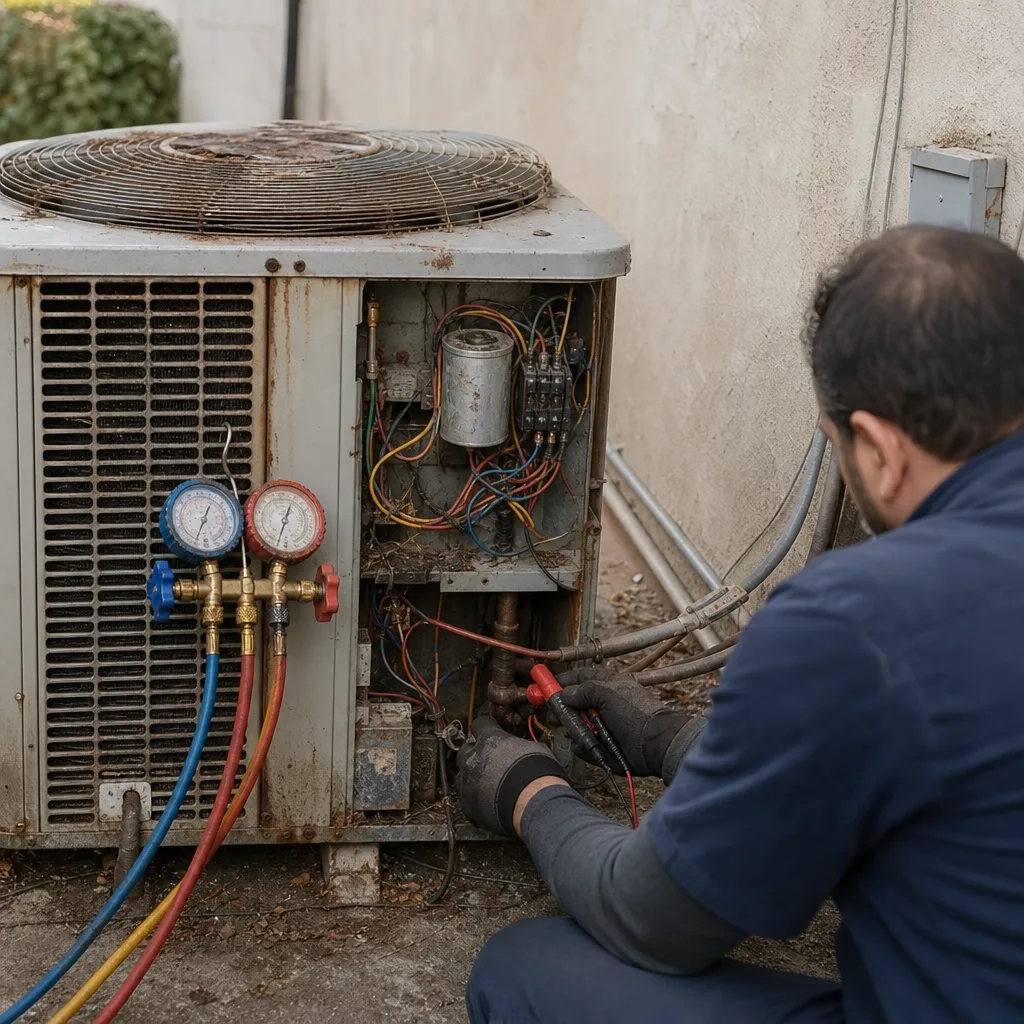 Before
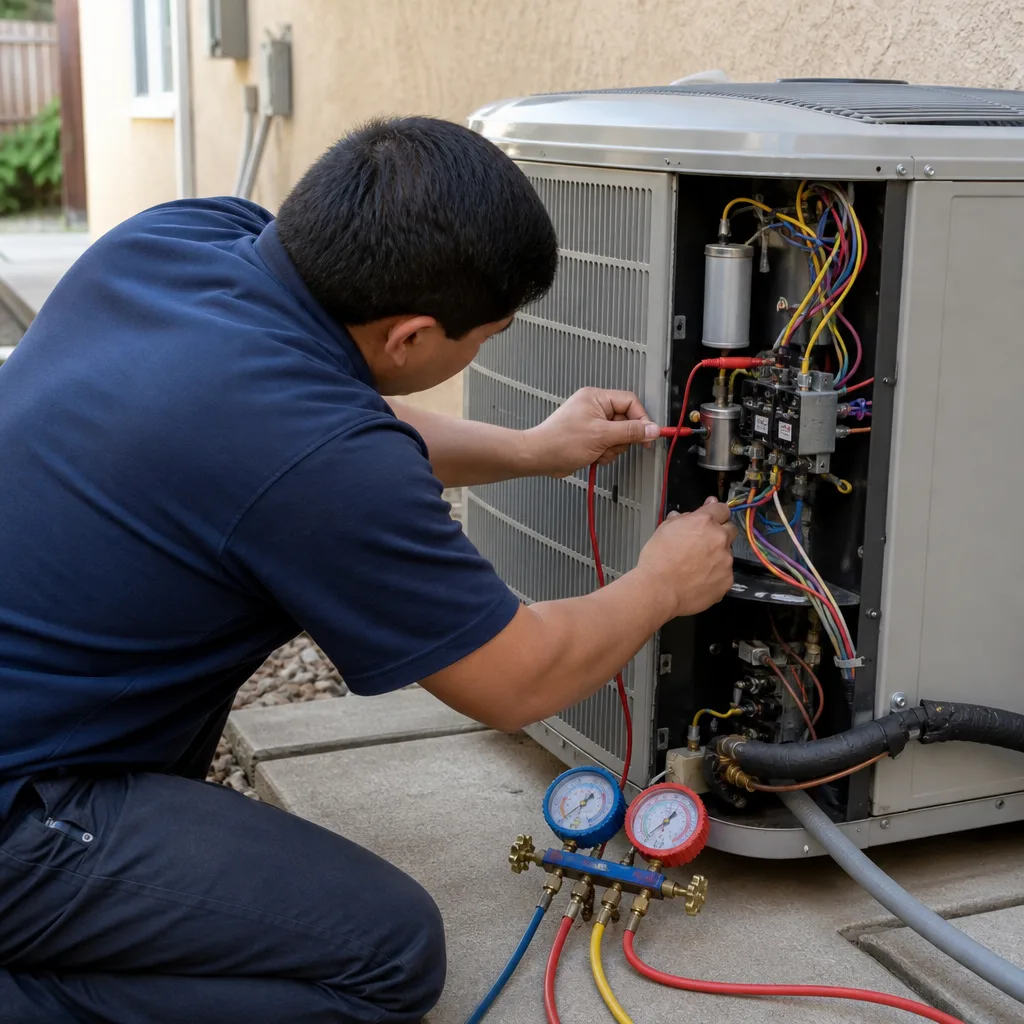 After
After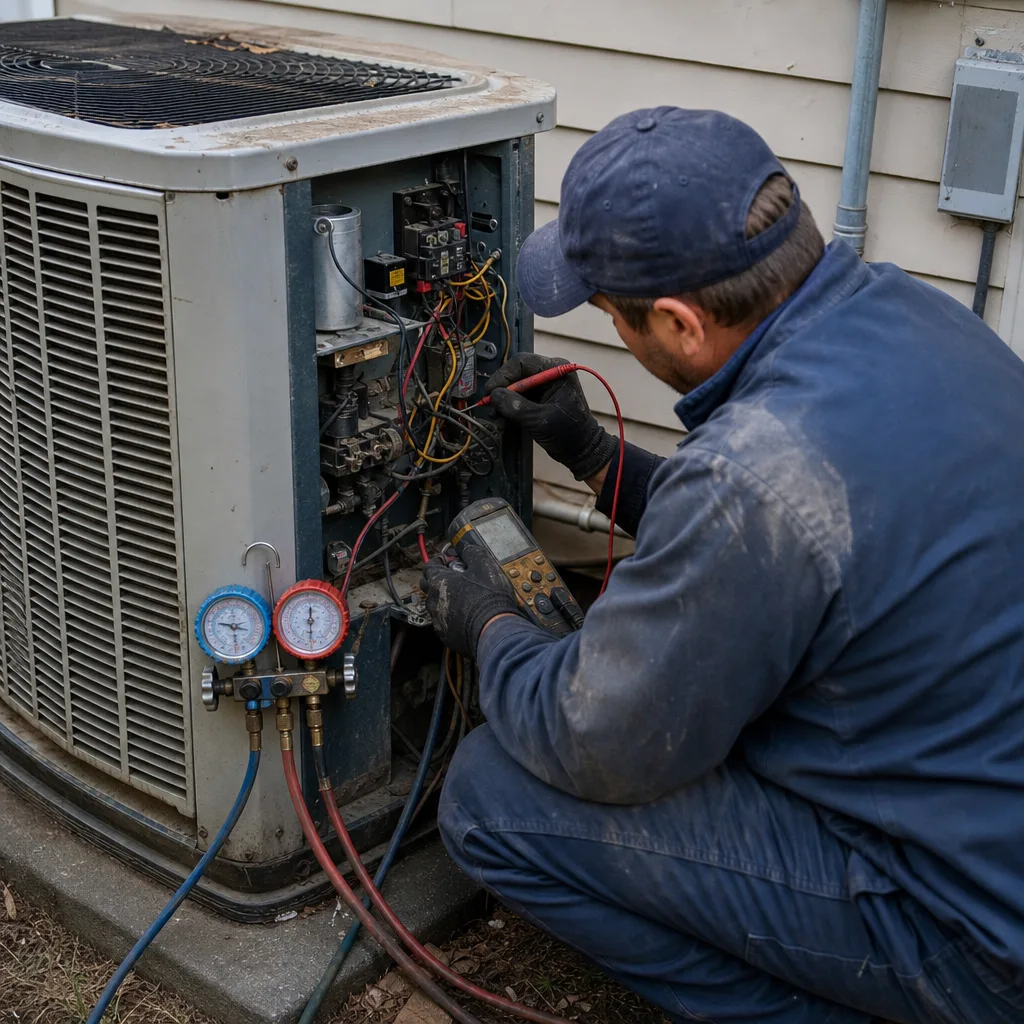 Before
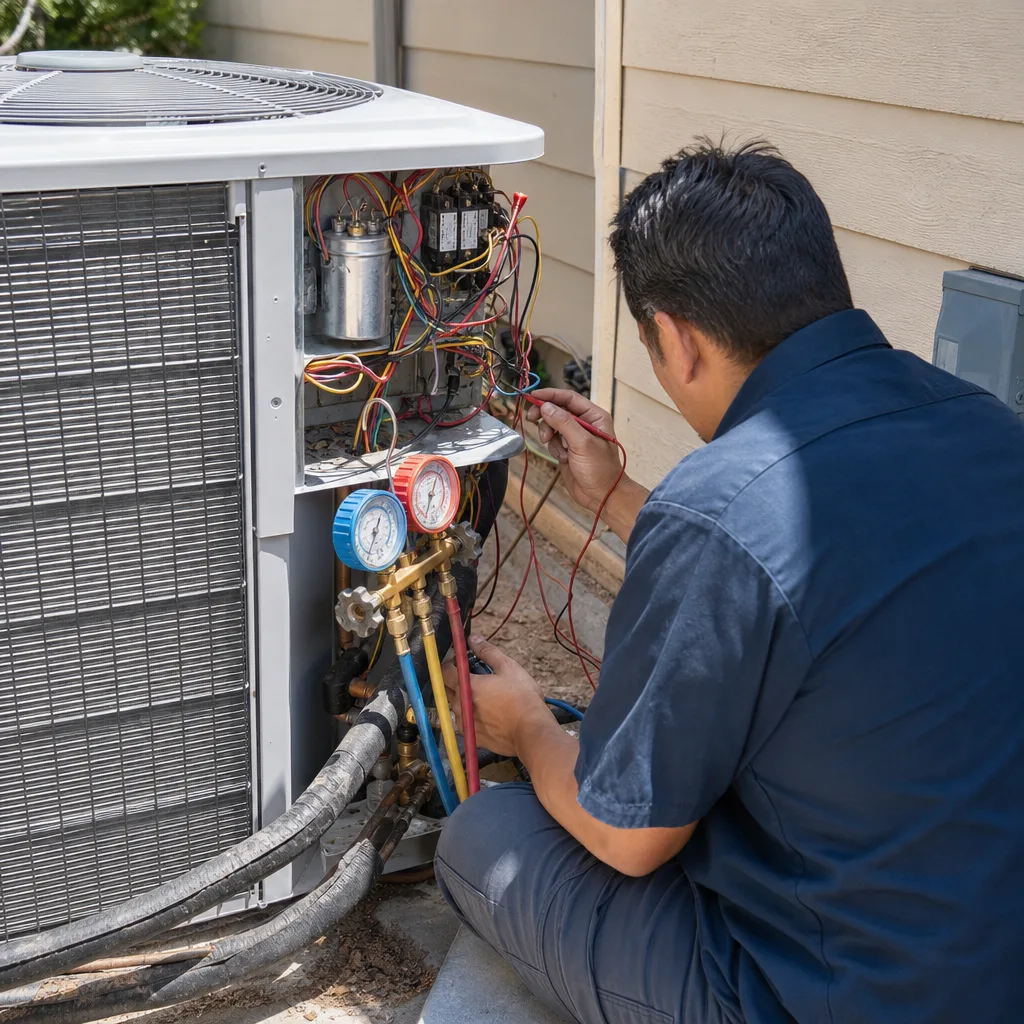 After
After Before
 After
After